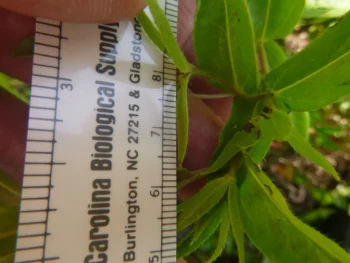
Carolina Puccoon: A Cheerful Native Wildflower for Southern Gardens
If you’re looking for a low-maintenance native wildflower that brings early spring color to your garden, meet Carolina puccoon (Lithospermum caroliniense var. caroliniense). This delightful little perennial might not be the showiest plant in your garden, but it’s definitely one of the most reliable and ecologically valuable additions you can make.
What is Carolina Puccoon?
Carolina puccoon is a native perennial forb, which simply means it’s a non-woody herbaceous plant that comes back year after year. This charming wildflower belongs to the borage family and has been quietly beautifying southeastern landscapes for centuries. You might also see it listed under several historical botanical names, including Batschia caroliniensis or Lithospermum carolinianum, but don’t let the scientific name shuffling confuse you – it’s the same wonderful plant.
Where Does Carolina Puccoon Call Home?
This southeastern native has quite an impressive range across the lower 48 states. You’ll find Carolina puccoon naturally occurring in Alabama, Arkansas, Florida, Georgia, Louisiana, Mississippi, Missouri, Oklahoma, South Carolina, Texas, and Virginia. It’s particularly well-adapted to the coastal plains and piedmont regions, where it thrives in the warm, humid climate.
- Species observed
- No observations
Why Choose Carolina Puccoon for Your Garden?
There are several compelling reasons to give this native wildflower a spot in your landscape:
- Early spring blooms: Carolina puccoon produces cheerful yellow flowers in early spring when few other plants are blooming, providing crucial early-season nectar for pollinators
- Low maintenance: Once established, this perennial requires minimal care and is quite drought tolerant
- Native benefits: As a native species, it supports local ecosystems and provides food for native insects and wildlife
- Naturalized look: Perfect for wildflower gardens, prairie restorations, and naturalized areas where you want that authentic wild appearance
Garden Design and Landscape Use
Carolina puccoon works beautifully as a groundcover in native plant gardens and woodland edge plantings. Its low-growing habit and spreading nature make it an excellent choice for naturalizing areas where you want to establish a wildflower meadow feel. It pairs wonderfully with other native southeastern wildflowers and grasses, creating authentic regional plant communities.
This plant is particularly well-suited for:
- Native plant gardens
- Prairie and meadow restorations
- Woodland edge plantings
- Low-maintenance landscape areas
- Pollinator gardens
Growing Conditions and Care
One of the best things about Carolina puccoon is how easy it is to grow, especially if you’re gardening within its native range of USDA hardiness zones 6-9. Here’s what this accommodating wildflower prefers:
Sunlight: Full sun to partial shade – quite adaptable to different light conditions
Soil: Well-drained soils are essential. Carolina puccoon doesn’t tolerate soggy conditions but adapts to various soil types once drainage is adequate
Water: Drought tolerant once established, though regular water during the first growing season helps establishment
Maintenance: Minimal care required. Allow plants to self-seed for natural spreading
Planting and Establishment Tips
Getting Carolina puccoon established in your garden is straightforward:
- Plant in spring or fall when temperatures are moderate
- Ensure good drainage – this is the most critical factor for success
- Space plants about 12-18 inches apart if planting multiple specimens
- Water regularly during the first growing season to help establish strong root systems
- Once established, step back and let nature take its course – this plant often self-seeds and spreads naturally
Supporting Pollinators and Wildlife
Carolina puccoon may be small, but it packs a big punch when it comes to supporting local ecosystems. Its early spring blooms provide much-needed nectar when few other flowers are available, making it particularly valuable for small native bees and other beneficial insects. The timing of its bloom period fills a crucial gap in the pollinator calendar.
Is Carolina Puccoon Right for Your Garden?
If you’re gardening in the southeastern United States and want to support native ecosystems while adding reliable spring color, Carolina puccoon is an excellent choice. It’s particularly perfect for gardeners who appreciate understated beauty and prefer low-maintenance plants that work with nature rather than against it.
This native wildflower won’t give you the dramatic impact of hybrid roses or exotic annuals, but it will provide something far more valuable – a piece of authentic regional character that supports the web of life in your local ecosystem. Sometimes the most beautiful gardens are the ones that look like they’ve always belonged.