Carolina Redroot: A Wetland Wonder with Ruby Secrets Underground
If you’re looking for a native plant that’s literally got roots in American history (the red roots were once used as a dye), then Carolina redroot might just be your next gardening adventure. This unassuming perennial has been quietly thriving in wetlands across eastern North America for centuries, and it’s got some pretty unique qualities that make it worth considering – if you’ve got the right growing conditions.
What Exactly Is Carolina Redroot?
Carolina redroot (Lachnanthes caroliana) is a native perennial forb that belongs to the bloodwort family. Don’t let the dramatic family name scare you off – this plant is perfectly safe and non-toxic. It gets its common name from its most distinctive feature: bright red roots that were historically used by Native Americans and early settlers to create red dye.
This native beauty grows throughout much of eastern North America, calling home to states from Nova Scotia down to Florida and west to Louisiana. You’ll find it naturally growing in Alabama, Connecticut, Delaware, Florida, Georgia, Louisiana, Maryland, Massachusetts, Mississippi, New Jersey, New York, North Carolina, Rhode Island, South Carolina, Tennessee, and Virginia.
- Species observed
- No observations
What Does It Look Like?
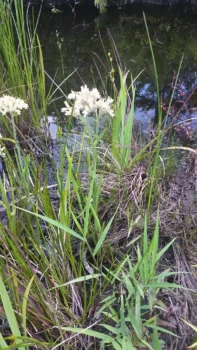
Carolina redroot might not win any flashy flower contests, but it has its own understated charm. The plant produces narrow, sword-like leaves in a lovely gray-green color with a fine, delicate texture. In late spring, it sends up small white flowers arranged in dense, woolly clusters. While the flowers aren’t particularly showy, they add a soft, naturalistic touch to wetland gardens.
The plant typically reaches about 3 feet tall when mature and has a moderate growth rate. It spreads via rhizomes (underground stems), creating colonies over time at a moderate pace – not so fast that it becomes aggressive, but steady enough to establish nice drifts.
The Catch: This Plant Is Picky About Water
Here’s where Carolina redroot gets specific about its needs. This plant is what botanists call an obligate wetland species, which means it almost always occurs in wetlands and needs consistently moist to wet conditions to thrive. If you’re dreaming of adding it to your typical perennial border, you’ll want to think again.
Carolina redroot is perfect for:
- Bog gardens and rain gardens
- Wetland restoration projects
- Naturalistic water features
- Native plant gardens with wet areas
- Areas with poor drainage that stay consistently moist
Growing Conditions: What Carolina Redroot Needs to Thrive
This plant is surprisingly adaptable when it comes to soil types – it’ll grow in coarse, medium, or fine-textured soils as long as they stay wet. It prefers acidic to neutral soils (pH 4.0-7.4) and has low fertility requirements, making it perfect for those challenging wet spots where other plants struggle.
Carolina redroot is hardy in USDA zones 6-10 and needs full sun to thrive (it’s shade intolerant). While it requires at least 200 frost-free days, it can handle winter temperatures down to 13°F once established. The plant has high tolerance for waterlogged, anaerobic soil conditions but very low drought tolerance – so consistent moisture is absolutely essential.
Benefits for Wildlife and Pollinators
While Carolina redroot may not be the showiest plant in your garden, it does provide some benefits for local wildlife. The small flowers attract various pollinators, particularly smaller bees and flies, during its late spring blooming period. The seeds, which ripen from spring through fall, may provide food for some wildlife, though they’re produced in relatively small quantities.
How to Plant and Care for Carolina Redroot
Good news for hands-off gardeners: Carolina redroot is pretty low-maintenance once you get it established in the right spot. It can be propagated from seed or by dividing established clumps, and it’s routinely available from native plant nurseries.
Planting tips:
- Plant in spring after the last frost
- Choose a location that stays consistently moist to wet
- Ensure full sun exposure
- Space plants 3-10 feet apart (they’ll eventually spread to fill in)
- Water regularly until established, then let nature take over if you have naturally wet conditions
Once established, Carolina redroot pretty much takes care of itself. It doesn’t require fertilizing (in fact, it prefers low-fertility conditions), and its moderate spreading habit means it won’t become invasive in your garden.
Is Carolina Redroot Right for Your Garden?
Carolina redroot is definitely a specialist plant. If you have a wet area in your garden that stays consistently moist, boggy conditions, or you’re working on a wetland restoration project, this native plant could be a perfect fit. It’s particularly valuable for gardeners interested in supporting local ecosystems and preserving native plant heritage.
However, if you’re looking for a plant for typical garden beds, foundation plantings, or areas with normal drainage, you’ll want to look elsewhere. This plant’s beauty lies in its specialized niche and its ability to thrive where many other plants would fail.
Consider Carolina redroot if you want to create a authentic wetland garden, support native ecosystems, or simply want to grow a plant with fascinating historical significance. Those ruby-red roots have been coloring fabric and delighting plant enthusiasts for generations – maybe it’s time they found a home in your wet garden too.