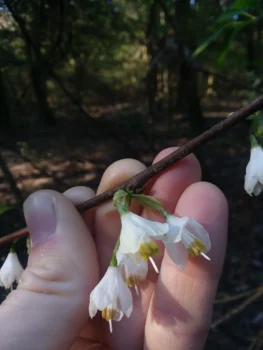
Carolina Silverbell: A Native Gem for Your Shade Garden
If you’ve been searching for a native plant that brings early spring magic to shady corners of your garden, meet the Carolina silverbell (Halesia carolina). This delightful native shrub or small tree offers something many shade plants can’t: spectacular spring blooms that appear before most other plants have even thought about leafing out.
What Makes Carolina Silverbell Special?
Carolina silverbell is a true American native, naturally growing across several southeastern states including Alabama, Florida, Georgia, Mississippi, New York, and South Carolina. As a perennial woody plant, it typically grows as a multi-stemmed shrub, though it can reach up to 30 feet tall at maturity under ideal conditions. Most gardeners can expect their silverbell to reach about 20 feet after 20 years of growth at a moderate pace.
- Species observed
- No observations
The real showstopper comes in mid-spring when clusters of white, bell-shaped flowers dangle gracefully from bare branches like nature’s own wind chimes. These blooms are not only gorgeous but also provide early nectar for bees and other pollinators when few other food sources are available.
Where Carolina Silverbell Shines in Your Landscape
This versatile native works beautifully in several garden settings:
- Woodland and shade gardens as an understory plant
- Naturalistic landscapes and native plant gardens
- Mixed shrub borders for spring interest
- Specimen plantings where its spring flowers can be appreciated
Carolina silverbell truly earns its keep year-round. Spring brings those iconic white bells, summer offers attractive green foliage with medium texture, and fall delivers yellow foliage color. Even winter has its charm with distinctive winged seed pods that persist on bare branches.
Growing Conditions: What Carolina Silverbell Needs to Thrive
The good news for shade gardeners is that Carolina silverbell is quite shade tolerant, making it perfect for those tricky spots under larger trees. Here’s what this native beauty needs:
- Soil: Moist, well-draining soil that’s on the acidic side (pH 4.7-7.0). It adapts to coarse and medium-textured soils but struggles in heavy clay
- Moisture: Consistent moisture is key – this plant has low drought tolerance
- Hardiness: Thrives in USDA zones 4-8, handling temperatures down to -10°F
- Location: Shade tolerant, making it ideal for understory plantings
Carolina silverbell’s wetland status varies by region, but it generally prefers non-wetland conditions while tolerating occasional wet periods. This flexibility makes it adaptable to various garden situations.
Planting and Care Tips
Getting your Carolina silverbell established is straightforward with the right approach:
- Planting: Container-grown plants establish most easily. Plant in spring or fall when temperatures are moderate
- Spacing: Allow 300-800 plants per acre for mass plantings, or space individual specimens 8-12 feet apart
- Watering: Keep soil consistently moist, especially during the first few years while roots establish
- Fertilizing: Generally doesn’t need heavy feeding – a moderate fertility requirement means annual compost or a balanced organic fertilizer is sufficient
- Pruning: Minimal pruning needed, but if necessary, prune immediately after flowering
Propagation: Growing Your Own
If you’re interested in starting Carolina silverbell from seed, you’ll need patience. Seeds require cold stratification and have about 1,600 seeds per pound. The seedling vigor is medium, and spread rate is slow, so container plants are often the practical choice for most gardeners.
For those interested in propagation, Carolina silverbell can be grown from cuttings, seeds (with proper treatment), or bare root plants, though container plants tend to establish most successfully.
Why Choose Carolina Silverbell?
In a world full of non-native options, Carolina silverbell offers the perfect combination of native plant benefits and garden-worthy beauty. It supports local pollinators with early spring nectar, provides year-round interest, and thrives in the challenging conditions of shade gardens where many other flowering plants struggle.
Whether you’re developing a native plant garden, need a reliable performer for a shady spot, or simply want to enjoy those magical spring bells, Carolina silverbell deserves serious consideration. It’s a true native gem that proves you don’t have to sacrifice beauty for ecological responsibility.