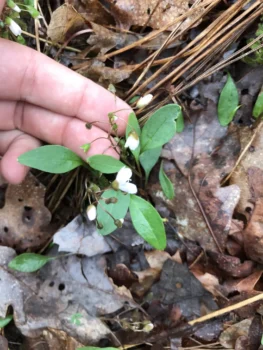
Carolina Springbeauty: A Delicate Native Wildflower for Early Spring Gardens
If you’re looking to add some early spring magic to your woodland garden, let me introduce you to one of nature’s most charming little performers: Carolina springbeauty (Claytonia caroliniana). This petite native wildflower might be small in stature, but it packs a big punch when it comes to bringing your garden to life after a long winter.
What is Carolina Springbeauty?
Carolina springbeauty is a perennial herbaceous wildflower native to eastern North America. As a forb – basically a fancy botanical term for a soft-stemmed flowering plant – it lacks any woody tissue and dies back to underground storage organs each year. Don’t let its delicate appearance fool you though; this little survivor has been gracing North American forests for thousands of years.
The plant produces small, five-petaled flowers that range from pure white to soft pink, often decorated with darker pink veining that looks like tiny watercolor brushstrokes. Its heart-shaped leaves emerge directly from the ground, creating a charming carpet of greenery beneath the nodding blooms.
Where Does Carolina Springbeauty Grow Naturally?
This native gem has quite an impressive range across eastern North America. You’ll find Carolina springbeauty growing wild from southeastern Canada down through the eastern United States. It calls home to states including Alabama, Arkansas, Connecticut, Georgia, Indiana, Kentucky, Maine, Maryland, Massachusetts, Michigan, Minnesota, New Hampshire, New York, North Carolina, Ohio, Pennsylvania, Tennessee, Vermont, Virginia, West Virginia, and Wisconsin. In Canada, it grows in New Brunswick, Nova Scotia, Ontario, Prince Edward Island, Quebec, and Newfoundland.
- Species observed
- No observations
Important Conservation Note
Before we dive into growing tips, there’s something important you should know: Carolina springbeauty is considered rare in Alabama, where it holds an S1 rarity status. This means it’s critically imperiled in that state. If you’re interested in adding this beauty to your garden, please make sure you source your plants or seeds from reputable nurseries that use responsibly collected or propagated material – never collect from wild populations!
Why Grow Carolina Springbeauty?
There are several compelling reasons to consider this native wildflower for your garden:
- It’s one of the earliest bloomers, often flowering when snow is still melting
- Provides crucial early-season nectar for emerging pollinators like small native bees and flies
- Creates beautiful naturalistic groundcover in woodland settings
- Supports local ecosystems as a native species
- Requires minimal maintenance once established
- Perfect for gardeners who love ephemeral spring wildflowers
Growing Conditions and Care
Carolina springbeauty is surprisingly easy to grow if you can mimic its natural woodland habitat. Here’s what it needs to thrive:
Light Requirements
This shade-lover prefers partial to full shade. In nature, it often grows under deciduous trees, taking advantage of the bright spring light before the canopy leafs out.
Soil Preferences
Well-drained but consistently moist soil is ideal. It appreciates rich, organic matter – think woodland duff with plenty of leaf mold. The plant has a Facultative Upland wetland status, meaning it usually grows in non-wetland areas but can tolerate some moisture.
Hardiness Zones
Carolina springbeauty thrives in USDA hardiness zones 3-8, making it suitable for most temperate regions where it’s native.
Perfect Garden Settings
This charming wildflower fits beautifully into several garden styles:
- Woodland gardens: Natural companion to ferns, wild ginger, and trilliums
- Native plant gardens: Essential for authentic local ecosystems
- Rock gardens: Lovely tucked between stones in shaded areas
- Naturalistic landscapes: Perfect for low-maintenance, eco-friendly designs
Planting and Care Tips
The good news is that Carolina springbeauty is relatively low-maintenance once you understand its natural rhythm:
- Plant small bulbs or tubers in fall for spring blooms
- Choose a spot with morning sun and afternoon shade
- Amend soil with compost or leaf mold before planting
- Water regularly during spring growing season
- Allow the plant to go dormant naturally in summer – don’t worry when it disappears!
- Mulch lightly with shredded leaves to mimic forest floor conditions
Supporting Pollinators
One of the best reasons to grow Carolina springbeauty is its value to early-season pollinators. When most flowers are still sleeping, this little champion is providing essential nectar and pollen to small bees, flies, and other insects just emerging from winter. It’s like setting up a welcome breakfast buffet for your garden’s hardest workers!
The Bottom Line
Carolina springbeauty is a delightful addition to any shade garden, especially if you’re passionate about native plants and supporting local wildlife. While it may not provide showy summer color, its early spring performance and ecological benefits make it a valuable garden resident. Just remember to source your plants responsibly, and you’ll be rewarded with years of charming spring blooms that connect your garden to the natural heritage of eastern North America.
Ready to welcome spring with this native beauty? Your early pollinators – and your garden’s ecosystem – will thank you for it!