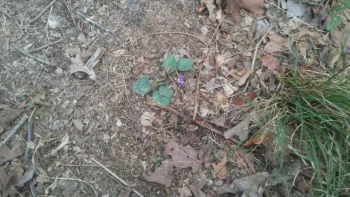
Carolina Violet: A Charming Native Groundcover for Shady Spots
If you’re looking for a delightful native groundcover that brings subtle beauty to shaded areas of your garden, meet the Carolina violet (Viola villosa). This perennial wildflower might be small in stature, but it packs a punch when it comes to charm and ecological benefits. Let’s dive into why this southeastern native deserves a spot in your landscape and how to help it thrive.
What Makes Carolina Violet Special?
Carolina violet is a low-growing perennial forb – essentially a non-woody plant that comes back year after year. What sets it apart from other violets is its softly hairy, heart-shaped leaves that give it a distinctive fuzzy texture. In spring, it produces lovely purple-blue flowers that dance above the foliage, creating a carpet of color in woodland settings.
This native beauty goes by the botanical name Viola villosa, though you might also encounter it listed under its synonym Viola rugosa in older references. The villosa part of its name actually refers to those characteristic soft, hairy leaves that make it so recognizable.
Where Does Carolina Violet Call Home?
Carolina violet is a true southeastern native, naturally occurring across eleven states: Alabama, Arkansas, Florida, Georgia, Louisiana, Mississippi, North Carolina, Oklahoma, South Carolina, Texas, and Virginia. This wide distribution tells us it’s quite adaptable within its native range.
- Species observed
- No observations
The plant thrives in USDA hardiness zones 6 through 9, making it suitable for most gardeners in the southeastern United States and beyond.
Why Plant Carolina Violet in Your Garden?
There are several compelling reasons to consider adding this native violet to your landscape:
- Low maintenance: Once established, Carolina violet requires minimal care and can handle various growing conditions
- Pollinator magnet: The spring flowers attract small bees, butterflies, and other beneficial insects
- Wildlife support: Serves as a host plant for fritillary butterfly caterpillars
- Excellent groundcover: Forms attractive colonies that help suppress weeds in shaded areas
- Native plant benefits: Supports local ecosystems and requires fewer inputs than non-native alternatives
Perfect Garden Spots for Carolina Violet
Carolina violet shines in several garden settings:
- Woodland gardens: Naturalizes beautifully under trees and large shrubs
- Shade gardens: Provides ground-level interest where many plants struggle
- Native plant gardens: Fits perfectly into regional native plant collections
- Naturalized areas: Excellent for low-maintenance, natural-looking landscapes
Growing Conditions and Care
One of the best things about Carolina violet is its easygoing nature. Here’s what it prefers:
Light: Partial to full shade – this isn’t a sun-lover, so save your sunny spots for other plants
Soil: Adaptable to various soil types, from moist to moderately dry conditions. Its wetland status indicates it usually grows in non-wetland areas but can tolerate occasional wet conditions.
Water: Moderate moisture is ideal, but it’s fairly drought-tolerant once established
Maintenance: Minimal! This is definitely a plant it and forget it kind of groundcover
Planting and Care Tips
Getting Carolina violet established in your garden is refreshingly straightforward:
- Best planting time: Fall or early spring when temperatures are moderate
- Spacing: Plant 6-12 inches apart if you want quicker coverage
- Watering: Water regularly the first season, then let nature take over
- Fertilizing: Usually unnecessary – native plants typically don’t need extra feeding
- Propagation: May self-seed in ideal conditions, creating new colonies naturally
Is Carolina Violet Right for Your Garden?
Carolina violet is an excellent choice for gardeners who want to support native wildlife while enjoying a low-maintenance groundcover. It’s particularly perfect if you have challenging shaded areas where grass won’t grow or if you’re creating a native plant garden.
The main consideration is that this plant prefers shade, so it won’t work in sunny locations. Also, if you prefer more dramatic, showy flowers, you might find its subtle blooms too understated – though many gardeners find this gentle beauty exactly what their woodland gardens need.
For southeastern gardeners looking to support local ecosystems with minimal effort, Carolina violet offers the perfect combination of native heritage, ecological benefits, and garden-friendly characteristics. Give this charming little groundcover a try, and watch as it quietly transforms your shaded spaces into a haven for both wildlife and weary gardeners seeking low-maintenance beauty.