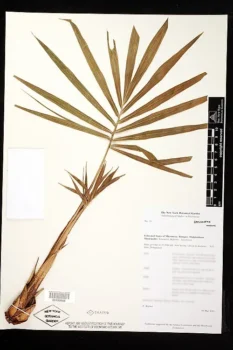
Caroline Ivory Nutpalm: A Rare Pacific Treasure for Tropical Gardens
Meet the Caroline ivory nutpalm (Metroxylon amicarum), one of the Pacific’s most fascinating and rare palm species. This remarkable tree isn’t your average backyard palm – it’s a living piece of Micronesian heritage that brings both beauty and botanical significance to the right garden setting.
What Makes the Caroline Ivory Nutpalm Special?
The Caroline ivory nutpalm gets its intriguing name from the ivory-colored endosperm found in its seeds, which historically had cultural and practical uses in its native islands. This isn’t just another pretty palm face in the crowd – it’s a conversation starter with a story to tell.
You might also encounter this palm listed under its synonym, Coelococcus amicarum, in older botanical references or specialty nursery catalogs.
Where Does It Call Home?
This palm is native to the Pacific Basin, specifically calling the Caroline Islands of Micronesia home. Today, you’ll find it naturally growing in Palau and historically documented in Guam, though its presence there may be quite limited now.
- Species observed
- No observations
A Rare Beauty Worth Protecting
Here’s where things get serious, fellow plant lovers. The Caroline ivory nutpalm has an extremely limited native range, which makes it quite rare in the wild. If you’re considering adding this stunning palm to your collection, please – and we can’t stress this enough – only source it from reputable nurseries that practice responsible propagation. Wild collection of this species could further threaten its already limited populations.
Is This Palm Right for Your Garden?
Let’s be honest: this isn’t a palm for everyone or everywhere. The Caroline ivory nutpalm is strictly a tropical zones 11-12 plant, which means unless you’re gardening in the most consistently warm, humid climates, you’ll need a heated greenhouse to keep this beauty happy.
Perfect Garden Settings:
- Tropical botanical gardens and collections
- Large residential landscapes in tropical zones
- Specialty palm collections
- Educational gardens showcasing Pacific Island flora
Growing Your Caroline Ivory Nutpalm Successfully
If you’re lucky enough to live in the right climate zone and can source this palm responsibly, here’s how to help it thrive:
Growing Conditions:
- Climate: Tropical, humid conditions year-round
- Light: Partial shade to full sun (afternoon shade appreciated in hottest climates)
- Soil: Well-draining, rich organic matter
- Water: Consistent moisture without waterlogging
Planting and Care Tips:
- Plant in a location protected from strong winds
- Apply palm-specific fertilizer regularly during growing season
- Maintain consistent soil moisture, especially during dry periods
- Mulch around the base to retain moisture and regulate soil temperature
- Be patient – palms are naturally slow growers
Wildlife and Pollinator Benefits
Like most palms, the Caroline ivory nutpalm produces flowers that attract various flying insects, contributing to your garden’s pollinator ecosystem. The specific wildlife benefits in its native range include providing habitat and food sources for local bird species.
The Bottom Line
The Caroline ivory nutpalm is undeniably captivating and would make an extraordinary addition to the right tropical garden. However, its rarity means it comes with responsibility. Only consider this palm if you can provide the specific tropical conditions it needs and can source it from ethical, conservation-minded suppliers.
For most gardeners, especially those outside tropical zones, consider exploring other native palm options for your region instead. But if you’re a serious palm collector in the right climate with access to responsibly propagated plants, the Caroline ivory nutpalm could be the crown jewel of your tropical landscape.