Carpet Phlox: A Resilient Native Ground Cover for Western Gardens
If you’re looking for a tough, low-maintenance ground cover that can handle challenging conditions while supporting local wildlife, carpet phlox might just be your new best friend. This hardy little native has been quietly carpeting the western landscape for centuries, and it’s ready to do the same for your garden.
Meet the Carpet Phlox
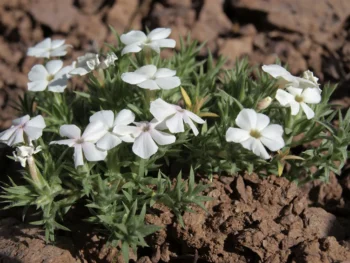
Carpet phlox (Phlox hoodii canescens) is a perennial forb that forms dense, mat-like carpets across the ground. You might also see it listed under its botanical synonyms Phlox canescens or Phlox hoodii var. canescens in older references, but they’re all the same reliable plant.
This native beauty calls a impressive swath of western North America home, naturally occurring across both Canada and the lower 48 states. You’ll find wild populations thriving from British Columbia down through Arizona, and from California east to Wyoming, including Colorado, Idaho, Montana, Nevada, New Mexico, Oregon, Utah, and Washington.
- Species observed
- No observations
What Makes Carpet Phlox Special
Don’t expect towering blooms from this modest groundcover. Carpet phlox stays low and spreads wide, creating dense mats of tiny, needle-like leaves that remain attractive throughout the growing season. Come spring, the entire mat transforms into a blanket of small white to pale pink flowers that may be individually tiny but create quite a show when viewed as a collective display.
The real magic happens after the flowers fade. This tough little plant continues to provide year-round structure and texture, forming living carpets that can handle foot traffic better than many ground covers.
Why Gardeners Love (and Sometimes Struggle With) Carpet Phlox
Here’s why you might want to plant it:
- Extremely drought tolerant once established
- Thrives in challenging conditions where other plants struggle
- Provides early-season nectar for native pollinators
- Requires virtually no maintenance
- Helps prevent soil erosion on slopes
- Perfect for xeriscaping and water-wise gardens
But consider these challenges:
- Can be slow to establish in the first year
- Not suitable for high-traffic areas initially
- May struggle in heavy, poorly-draining soils
- Limited availability at many nurseries
Perfect Garden Spots for Carpet Phlox
Carpet phlox absolutely shines in rock gardens, where it can cascade over boulders and fill in crevices with natural-looking drifts. It’s also a star performer in alpine gardens, xeriscapes, and any native plant garden focused on western species.
Consider using it as a living mulch around drought-tolerant shrubs, or let it naturalize on slopes where you need erosion control but want something more attractive than traditional groundcovers.
Growing Carpet Phlox Successfully
The key to success with carpet phlox is thinking like the plant. In nature, it grows in well-drained, often rocky soils in areas with cold winters and dry summers.
Climate and Hardiness
This tough customer handles USDA zones 3-8 with ease, tolerating both bitter cold winters and hot, dry summers once established.
Site Selection and Soil
Choose the sunniest spot in your garden with the best drainage you can provide. Carpet phlox absolutely cannot tolerate soggy soils, so if you have heavy clay or areas that stay moist, either amend heavily with coarse sand and gravel or choose a different plant.
The ideal soil is well-drained, slightly alkaline, and on the lean side. Rich, fertile soils can actually cause problems by encouraging too much soft growth.
Planting and Establishment
Plant in early spring after the last hard frost. Space plants about 12-18 inches apart if you’re planting multiple specimens, though be patient – they’ll take a full season or more to really start spreading.
Water regularly the first growing season to help establishment, then back off gradually. Once established, carpet phlox actually prefers to stay on the dry side.
Ongoing Care
Here’s the best part: there’s almost nothing to do once your carpet phlox is established. No fertilizing, minimal watering, and no pruning required. Occasionally remove any weeds that try to establish in the mat, but that’s about it.
Supporting Local Ecosystems
By choosing carpet phlox, you’re not just getting a beautiful groundcover – you’re supporting local wildlife. The early spring flowers provide important nectar sources for native bees, small butterflies, and other pollinators when few other plants are blooming.
As a native plant, it also fits seamlessly into local food webs and requires no additional inputs once established, making it an environmentally responsible choice for sustainable landscaping.
The Bottom Line
Carpet phlox isn’t the showiest plant you’ll ever grow, but it might just be one of the most reliable. If you garden in the western regions where it’s native, have challenging dry conditions, and appreciate plants that earn their keep without constant attention, this humble groundcover deserves a spot in your landscape. Just remember to be patient during establishment and resist the urge to coddle it – sometimes the best care is benign neglect.