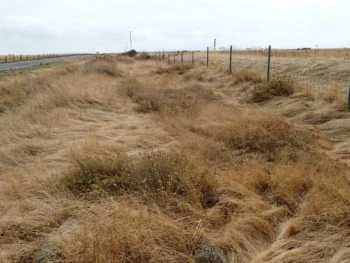
Carquinez Goldenbush: A Rare California Native Worth Protecting
Meet the Carquinez goldenbush (Isocoma arguta), one of California’s most endangered native shrubs that deserves a spot in your conservation-minded garden. This little-known perennial is more than just another pretty face in the native plant world – it’s a living piece of California’s natural heritage that’s fighting for survival.
What Makes Carquinez Goldenbush Special?
Don’t let its humble size fool you! This low-growing shrub typically stays under 1.5 feet tall (and never exceeds 3 feet), making it perfect for smaller spaces. What it lacks in stature, it makes up for in charm with clusters of bright yellow, daisy-like flowers that bloom in late summer and fall when many other natives are calling it quits for the season.
The silvery-green foliage provides year-round interest, creating a lovely backdrop for those cheerful golden blooms. It’s the kind of plant that quietly does its job while adding subtle beauty to your landscape.
A True California Native with a Tiny Range
Carquinez goldenbush is native to California, but here’s where things get really interesting (and concerning): this plant is found naturally only in a tiny area around the Carquinez Strait in Solano County. We’re talking about one of the most geographically restricted plants in the state!
- Species observed
- No observations
Conservation Alert: Handle with Care
Here’s something every gardener needs to know: Carquinez goldenbush has a Global Conservation Status of S1, meaning it’s critically imperiled. With typically 5 or fewer natural occurrences and very few remaining individuals (fewer than 1,000), this plant is teetering on the edge of extinction.
If you’re considering adding this rare beauty to your garden, please only purchase from reputable native plant nurseries that propagate from legally collected seeds or ethically sourced material. Never collect from wild populations!
Perfect for the Right Garden
Carquinez goldenbush shines in:
- Specialized native plant gardens
- Conservation-focused landscapes
- Xeriscapes and drought-tolerant gardens
- Slope stabilization projects
- Rock gardens with good drainage
Its compact size makes it ideal for smaller spaces where you want to make a conservation statement without overwhelming the area.
Growing Conditions and Care
The good news? Once established, Carquinez goldenbush is surprisingly low-maintenance. This tough little shrub thrives in:
- Sun exposure: Full sun
- Soil: Well-draining soils (it’s listed as Facultative Upland, meaning it prefers non-wetland conditions)
- Water: Drought tolerant once established – minimal summer water needed
- USDA zones: 9-10
- Fertilizer: None needed (like most natives, it actually prefers lean soils)
Planting and Care Tips
Getting your Carquinez goldenbush off to a good start is pretty straightforward:
- Plant in fall or early spring when temperatures are milder
- Ensure excellent drainage – this plant won’t tolerate soggy feet
- Water regularly the first year to establish deep roots
- Once established, cut back on watering significantly
- Light pruning after flowering helps maintain shape
- No fertilizer needed – it’s adapted to nutrient-poor soils
Pollinator and Wildlife Benefits
Those late-season golden blooms aren’t just pretty – they’re a crucial food source when many other flowers have faded. Carquinez goldenbush attracts native bees, butterflies, and other pollinators during a time when nectar sources can be scarce. By growing this plant, you’re supporting local pollinator populations while helping preserve a critically endangered species.
Should You Grow Carquinez Goldenbush?
If you’re a conservation-minded gardener with the right growing conditions (full sun, excellent drainage, USDA zones 9-10), absolutely! Just remember the golden rule: only source plants responsibly. By growing this rare native, you’re not just adding beauty to your landscape – you’re participating in conservation efforts to keep this special plant from disappearing forever.
Every garden that includes responsibly sourced Carquinez goldenbush becomes a small sanctuary for this endangered species. Now that’s what we call gardening with purpose!