Caribbean Island Spikesedge: A Lesser-Known Native Sedge Worth Discovering
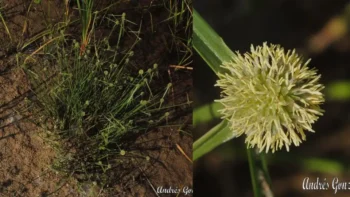
If you’re gardening in the tropical paradise of Puerto Rico or the U.S. Virgin Islands, you might want to get acquainted with Caribbean island spikesedge (Kyllinga vaginata). This unassuming little native sedge may not win any beauty contests, but it’s got that quiet charm that makes native plant enthusiasts take notice.
What Is Caribbean Island Spikesedge?
Caribbean island spikesedge is a perennial sedge that belongs to the grass-like plant family. Don’t let the name fool you – while it looks like grass, it’s actually part of the sedge family (Cyperaceae), which makes it a cousin to more familiar sedges and rushes. You might also see it listed under its botanical synonyms Cyperus obtusatus or Kyllinga pungens in older gardening references.
This little plant forms low, dense mats and has that classic grass-like appearance that makes sedges so useful in landscape design. It’s the kind of plant that quietly does its job without demanding much attention – perfect for gardeners who appreciate understated natives.
Where Does It Call Home?
Caribbean island spikesedge is a true island native, naturally occurring in Puerto Rico and the U.S. Virgin Islands. It’s perfectly adapted to the tropical climate and conditions of these beautiful Caribbean locations.
- Species observed
- No observations
Should You Plant It in Your Garden?
Here’s where things get a bit tricky – while Caribbean island spikesedge is undoubtedly a charming native plant, detailed growing information is surprisingly scarce. This suggests it’s not commonly cultivated, even in its native range. However, if you’re in Puerto Rico or the U.S. Virgin Islands and passionate about native plants, it could be worth seeking out for specialized gardens.
Potential Benefits:
- True native species supporting local ecosystems
- Likely low-maintenance once established
- Provides natural ground cover
- Adds authentic local character to native plant gardens
Considerations:
- Limited availability in nurseries
- Minimal cultivation information available
- May not provide significant ornamental impact
Growing Conditions and Care
Since detailed growing information for Caribbean island spikesedge is limited, we have to make educated guesses based on its sedge family characteristics and native habitat. Most sedges prefer consistently moist soil, and given its tropical native range, it likely thrives in USDA zones 10-11.
If you’re lucky enough to find this plant, try providing:
- Consistently moist to wet soil conditions
- Partial shade to full sun exposure
- Tropical to subtropical climate conditions
- Minimal fertilization (natives typically don’t need much feeding)
The Bottom Line
Caribbean island spikesedge represents one of those quiet native treasures that serious native plant enthusiasts love to discover. While it may not be the showstopper of your garden, it offers authentic local character for gardeners in Puerto Rico and the U.S. Virgin Islands who want to support native ecosystems.
If you can’t locate Caribbean island spikesedge for your native garden, consider exploring other native sedges and grasses from your region. Your local native plant society or extension office can help you identify suitable alternatives that will provide similar ecological benefits with better availability and growing information.
Remember, every native plant – even the humble ones – plays a role in supporting local wildlife and maintaining the unique character of Caribbean island ecosystems. Sometimes the most rewarding garden discoveries are the quiet ones that connect us more deeply to the natural world around us.