Carry Me Seed: A Small but Mighty Annual for Warm Climate Gardens
Meet carry me seed (Phyllanthus amarus), a delicate little annual that might not win any beauty contests but has quietly made itself at home across America’s warmest regions. This unassuming forb brings a subtle charm to gardens with its tiny leaves and miniature flowers, though you’ll need to look closely to appreciate its understated appeal.
What is Carry Me Seed?
Carry me seed is an annual forb, which means it’s a non-woody plant that completes its entire life cycle in one growing season. Unlike shrubs or trees, this little plant lacks significant woody tissue and keeps its growing points at or near ground level. It’s a member of the diverse world of herbaceous plants that spring up, bloom, set seed, and disappear within a single year.
Where You’ll Find It Growing
Originally from tropical regions around the world, carry me seed has established itself as a non-native species across several U.S. territories and states. You can spot it growing wild in Florida, Guam, Palau, Puerto Rico, the U.S. Virgin Islands, and other warm climate areas where it reproduces without human assistance.
- Species observed
- No observations
What Does It Look Like?
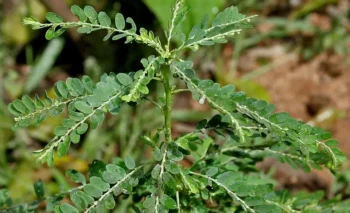
Don’t expect showstopping blooms from carry me seed. This modest annual typically grows 12-24 inches tall with a branching, spreading habit. Its small, rounded leaves arrange themselves alternately along slender stems, creating a delicate, almost fern-like appearance. The tiny greenish flowers are easily overlooked but add to the plant’s subtle texture when viewed up close.
Garden Role and Landscape Use
Carry me seed works best as a filler plant or naturalistic ground cover in informal garden settings. It’s not typically grown as an ornamental, but it can add fine texture to tropical and subtropical landscapes. Some gardeners appreciate it in medicinal herb gardens, where function often trumps form.
Growing Conditions and Care
If you’re in USDA zones 9-11, carry me seed is remarkably easy to grow. Here’s what it needs to thrive:
- Full sun to partial shade exposure
- Well-draining soil (it’s not picky about soil quality)
- Warm temperatures year-round
- Minimal watering once established
This adaptable annual can handle various soil conditions and doesn’t demand much attention once it gets going. In fact, it may self-seed readily, potentially becoming a permanent fixture in your garden.
Wetland Tolerance
Carry me seed shows interesting flexibility when it comes to moisture levels. In some regions, it can tolerate both wet and dry conditions, while in others (particularly the Caribbean), it strongly prefers upland, drier sites. This adaptability helps explain its success in diverse climates.
Wildlife and Pollinator Value
While carry me seed’s tiny flowers may attract small insects, it’s not considered a significant pollinator plant. Its wildlife benefits are limited, making it more of a neutral presence in the ecosystem rather than a beneficial one.
Should You Plant Carry Me Seed?
Here’s the honest truth: while carry me seed isn’t harmful, it’s not particularly exciting either. As a non-native species, it won’t provide the same ecological benefits as indigenous plants that have evolved alongside local wildlife.
If you’re drawn to small, delicate annuals for your warm climate garden, consider these native alternatives instead:
- Native wildflowers suited to your specific region
- Indigenous herbs with similar growing requirements
- Local ground covers that support native pollinators
However, if you already have carry me seed growing on your property or you’re specifically interested in it for medicinal purposes, there’s no urgent need to remove it. Just be aware that it may self-seed and spread throughout your garden.
The Bottom Line
Carry me seed is a low-maintenance annual that’s perfectly content to do its own thing in warm climates. While it won’t transform your landscape or attract clouds of butterflies, it also won’t cause major problems. For gardeners focused on supporting native ecosystems, though, there are more beneficial choices that will better serve both your garden and local wildlife.