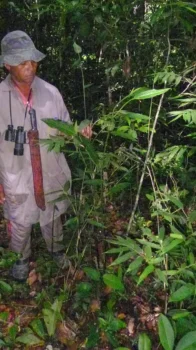
Carrycillo: A Hidden Gem for Tropical Gardens
If you’re looking to add authentic Caribbean flair to your tropical garden, let me introduce you to carrycillo (Olyra latifolia). This native grass might not be a household name, but it’s exactly the kind of understated beauty that can transform your landscape into something truly special.
What Makes Carrycillo Special?
Carrycillo is a perennial grass that’s as authentic as it gets in tropical gardening. Unlike many ornamental grasses you’ll find at the garden center, this one has deep roots in the Caribbean—literally and figuratively. It’s a true native to Puerto Rico and the U.S. Virgin Islands, making it a perfect choice for gardeners who want to celebrate local plant heritage.
What sets carrycillo apart from your typical lawn grass is its broad leaves and graceful growth habit. This isn’t your suburban turf grass; it’s more like nature’s answer to creating lush, tropical understory appeal.
Where Does Carrycillo Grow?
You’ll find carrycillo naturally growing throughout Puerto Rico and the Virgin Islands, where it has adapted perfectly to the Caribbean climate and growing conditions.
- Species observed
- No observations
Perfect for the Right Garden
Here’s where carrycillo really shines: it’s designed for tropical and subtropical gardens in USDA hardiness zones 10-11. If you live in these warm climates, you’ve hit the jackpot with this native beauty.
Carrycillo works wonderfully in:
- Shade gardens where other grasses struggle
- Naturalistic tropical landscapes
- Understory plantings beneath palm trees or other tropical plants
- Areas where you want authentic Caribbean vegetation
Growing Conditions That Make Carrycillo Happy
The beauty of native plants is that they’re already adapted to local conditions, and carrycillo is no exception. This grass prefers shade to partial shade—perfect for those tricky spots in your garden where full-sun plants struggle.
As a facultative upland plant, carrycillo is quite adaptable when it comes to moisture. While it usually thrives in non-wetland conditions, it can handle some moisture variation, making it more forgiving than you might expect.
Planting and Care Tips
Once you’ve decided carrycillo is right for your garden, here’s how to help it thrive:
- Location: Choose a spot with shade to partial shade
- Soil: Provide moist, well-draining soil
- Establishment: Give it consistent moisture while it’s getting established
- Maintenance: Minimal care required once established—that’s the beauty of natives!
The Native Advantage
By choosing carrycillo, you’re not just adding another plant to your garden—you’re supporting local ecosystems and celebrating the natural heritage of the Caribbean. Native plants like carrycillo have evolved alongside local wildlife and weather patterns, making them naturally more sustainable choices for your landscape.
While specific wildlife benefits for carrycillo aren’t well-documented, native grasses typically provide important habitat and food sources for local insects and birds, contributing to the overall health of your garden ecosystem.
Is Carrycillo Right for Your Garden?
Carrycillo is an excellent choice if you’re gardening in tropical zones and want to incorporate authentic Caribbean natives into your landscape. It’s particularly valuable for gardeners who are creating naturalistic plantings or need attractive options for shaded areas.
However, if you’re gardening outside of zones 10-11, carrycillo won’t survive your winters. In that case, consider exploring native grasses that are adapted to your specific region—every area has its own wonderful native options waiting to be discovered!
Ready to add some authentic Caribbean character to your tropical garden? Carrycillo might just be the native gem you’ve been looking for.