Carson Valley Monkeyflower: A Rare Native Gem Worth Protecting
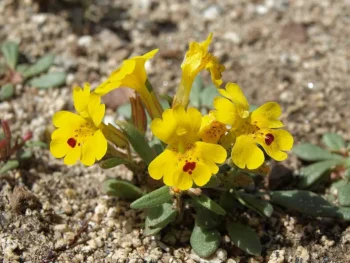
Meet the Carson Valley monkeyflower (Erythranthe carsonensis), also known as the bonanza monkeyflower – a tiny native wildflower that packs a big conservation punch. This delicate annual is one of those special plants that makes you appreciate the incredible diversity hiding in our native landscapes, even if most gardeners have never heard of it.
A Critically Rare Native Treasure
Before we dive into growing this beauty, there’s something crucial you need to know: the Carson Valley monkeyflower is critically imperiled. With a Global Conservation Status of S1, this means there are typically only 5 or fewer known populations, with very few remaining individuals (fewer than 1,000 total). That makes this little wildflower rarer than many animals on the endangered species list!
This annual forb is native to the lower 48 states, specifically calling California and Nevada home. True to its name, it’s particularly associated with the Carson Valley region, where it clings to existence in a landscape that has seen dramatic changes over the past century.
- Species observed
- No observations
What Makes This Monkeyflower Special
As a member of the monkeyflower family (formerly classified under Mimulus rubellus var. latiflorus), the Carson Valley monkeyflower produces the characteristic snapdragon-like blooms that give monkeyflowers their whimsical name. These small, typically yellow flowers may seem modest, but they represent millions of years of evolution perfectly adapted to their specific mountain and valley habitats.
Being an annual forb means this plant completes its entire life cycle in a single growing season, producing seeds that must survive harsh winters to continue the species. It lacks woody tissue, instead channeling all its energy into rapid growth, flowering, and seed production during favorable conditions.
Should You Grow Carson Valley Monkeyflower?
Here’s where things get complicated. While this native plant would theoretically make a wonderful addition to native gardens, rock gardens, or specialized conservation collections, its critically imperiled status means we need to be extremely cautious.
If you’re considering growing this species, please only do so with responsibly sourced material from reputable native plant organizations or conservation programs. Never collect seeds or plants from wild populations – those few remaining individuals are far too precious to disturb.
Potential Growing Conditions
While specific cultivation information for Carson Valley monkeyflower is limited due to its rarity, we can make educated guesses based on its native habitat and related species:
- Climate: Likely suited for USDA hardiness zones 6-9, matching its California and Nevada range
- Soil: Probably prefers well-draining soils typical of mountain and valley environments
- Water: As an annual, likely needs moderate moisture during growing season
- Sun: Most monkeyflowers prefer partial sun to light shade
- Garden type: Best suited for native plant gardens, rock gardens, or conservation collections
Conservation Over Cultivation
Rather than focusing solely on growing this rare beauty, consider how you can support its conservation. You might:
- Support native plant conservation organizations working in California and Nevada
- Plant other native monkeyflower species that are more common and equally beautiful
- Create habitat for native pollinators that might also benefit rare species like this one
- Spread awareness about the importance of protecting native plant populations
The Bigger Picture
The Carson Valley monkeyflower reminds us that our native flora includes countless species most people never see – and some that are hanging on by the thinnest of threads. While we may not all be able to grow this particular gem in our gardens, we can all play a role in protecting the wild places where such rarities still survive.
Sometimes the best way to love a plant is to leave it wild and focus our gardening efforts on supporting the broader ecosystem it calls home. In the case of the Carson Valley monkeyflower, that might just be the most gardener-like thing we can do.