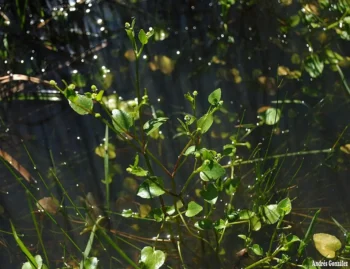
Carter’s Buttercup: A Rare Native Wetland Gem
If you’re passionate about native plants and wetland gardening, you may have stumbled across Carter’s buttercup (Ranunculus bonariensis) in your research. This little-known annual buttercup is a true California native that deserves more attention from conservation-minded gardeners, though it comes with some unique challenges.
What is Carter’s Buttercup?
Carter’s buttercup is an annual forb, meaning it’s a non-woody herbaceous plant that completes its entire life cycle in a single growing season. Like other members of the buttercup family, it lacks the woody stems of shrubs and trees, instead producing soft, green stems that emerge from ground-level buds each year.
As a forb, this plant falls into that wonderful category of wildflowers that add seasonal interest and ecological value to natural landscapes, even if they don’t stick around year after year like perennials do.
Where Does It Call Home?
This buttercup species is native to California, making it a true Golden State endemic. While it’s considered native to the lower 48 states, its distribution appears to be quite limited within California’s borders.
- Species observed
- No observations
A Wetland Specialist
Here’s where Carter’s buttercup gets really interesting (and challenging for most gardeners): it’s classified as an Obligate Wetland species in both the Arid West and Western Mountains, Valleys, and Coast regions. This fancy term means the plant almost always occurs in wetlands – we’re talking about a species that absolutely loves having its feet wet.
This wetland requirement is both a blessing and a curse for gardeners. On one hand, if you have a pond, rain garden, or consistently moist area in your landscape, this could be a perfect native addition. On the other hand, if you’re dealing with typical garden conditions, this plant probably isn’t going to thrive.
Should You Grow Carter’s Buttercup?
The honest answer is: it depends on your specific situation. Here are the key considerations:
- Perfect for wetland gardens: If you’re creating or maintaining a wetland habitat, native pond edge, or rain garden, this species could be an excellent choice
- Annual commitment: Remember that this is an annual, so you’ll need to rely on self-seeding or replant each year
- Limited availability: Due to its specialized nature and limited distribution, finding seeds or plants may be challenging
- Conservation value: Growing native species like this supports local biodiversity and preserves genetic diversity
Growing Conditions and Care
While specific growing information for Carter’s buttercup is limited, we can infer quite a bit from its wetland status:
- Moisture: Consistent, abundant moisture is absolutely essential – think boggy conditions rather than just moist soil
- Climate: As a California native, it’s adapted to Mediterranean climate patterns
- Habitat: Look for areas that mimic natural wetlands – pond edges, seasonal pools, or constructed wetlands
- Timing: As an annual, it likely germinates with winter rains and completes its cycle before summer heat
The Bottom Line
Carter’s buttercup represents one of those fascinating native plants that highlights the incredible diversity of California’s flora. While it may not be the right choice for every garden, it serves an important role in wetland ecosystems and could be perfect for specialized native plant gardens.
If you don’t have the wetland conditions this species requires, consider other native California buttercups or wetland plants that might be more readily available and better documented. Sometimes the most valuable thing we can do for rare native species is to create habitat for their more common relatives and support the broader ecosystem they depend on.
Have you encountered Carter’s buttercup in the wild or considered it for a wetland garden project? The world of native plant gardening is full of these delightful discoveries that remind us how much we still have to learn about our local flora.