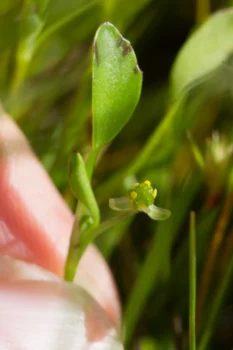
Carter’s Buttercup: A Rare California Native Worth Knowing
If you’re passionate about California native plants and love discovering hidden gems, Carter’s buttercup (Ranunculus bonariensis var. trisepalus) might just capture your gardening heart. This lesser-known member of the buttercup family represents one of nature’s more elusive treasures – a native annual that calls the Golden State home.
What Makes Carter’s Buttercup Special?
Carter’s buttercup is an annual forb, meaning it completes its entire life cycle in one growing season and lacks the woody stems you’d find on shrubs or trees. As a herbaceous plant, it puts all its energy into flowers and seeds rather than building permanent above-ground structure. This growth strategy makes it a fascinating addition to natural landscapes where it can reseed and appear year after year in suitable conditions.
You might also encounter this plant listed under its synonyms: Ranunculus alveolatus Carter or Ranunculus trisepalus Gillies ex Hook. & Arn. These alternate names reflect the ongoing botanical detective work that helps scientists understand plant relationships and classification.
Where Does Carter’s Buttercup Call Home?
This buttercup variety is native to California, where it has evolved alongside other native species to create balanced ecosystems. Its presence in the state represents thousands of years of adaptation to local climate patterns, soil conditions, and wildlife interactions.
- Species observed
- No observations
A Word of Caution: Rarity Matters
Here’s where things get important for responsible gardeners: Carter’s buttercup has a Global Conservation Status of S4S5T3, indicating some level of conservation concern. While this doesn’t mean it’s critically endangered, it does suggest that this variety isn’t as common as we might hope.
If you’re interested in growing Carter’s buttercup, please source your seeds or plants only from reputable native plant societies, botanical gardens, or nurseries that specialize in ethically propagated California natives. Never collect seeds or plants from wild populations – this can harm already vulnerable communities of these special plants.
The Mystery of Limited Information
One of the most intriguing aspects of Carter’s buttercup is how little detailed cultivation information is readily available. This likely reflects its rarity and the fact that it hasn’t been widely studied or grown in garden settings. What we do know is that as a California native annual, it has likely adapted to the state’s Mediterranean climate patterns of wet winters and dry summers.
Should You Grow Carter’s Buttercup?
The answer depends on your gardening goals and commitment level:
- Yes, if: You’re passionate about rare California natives and can source plants responsibly
- Yes, if: You enjoy being part of conservation efforts through cultivation
- Yes, if: You’re willing to experiment and document your growing experiences
- Maybe not, if: You’re looking for well-documented, easy-to-grow plants with guaranteed results
Growing Tips and Considerations
Since specific cultivation information for Carter’s buttercup is limited, here are some general guidelines based on its annual nature and California native status:
- Plant in fall or early winter to align with natural rainfall patterns
- Choose a location that receives morning sun but some afternoon protection
- Ensure good drainage – most California natives don’t tolerate waterlogged soils
- Avoid supplemental watering during summer dormancy periods
- Allow plants to complete their life cycle and set seed naturally
Alternative Buttercup Options
If you love the idea of native buttercups but want something with more available growing information, consider these related California natives:
- California buttercup (Ranunculus californicus) – more widely available and documented
- Water buttercup (Ranunculus aquatilis) – for pond and water garden enthusiasts
The Bigger Picture
Growing rare natives like Carter’s buttercup isn’t just about adding unique plants to your garden – it’s about participating in conservation. Every responsibly grown population helps preserve genetic diversity and potentially provides seeds for future restoration projects. Plus, you’ll be supporting the complex web of relationships that make California’s ecosystems so special.
Whether you choose to seek out Carter’s buttercup or simply appreciate knowing it exists, remember that every native plant has a story. This little annual reminds us that there’s still so much to discover and protect in our own backyards.