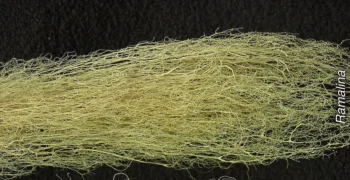
Cartilage Lichen: The Mysterious Tree Dweller in Your Garden
Have you ever noticed those pale, stringy growths hanging from tree branches and wondered what they were? Meet the cartilage lichen (Ramalina thrausta), one of nature’s most fascinating partnerships that might already be calling your garden home – even though you never planted it!
What Exactly Is Cartilage Lichen?
Before we dive in, let’s clear up what a lichen actually is. Cartilage lichen isn’t a plant at all – it’s something much more interesting. It’s a symbiotic organism made up of a fungus and an alga working together in perfect harmony. The fungus provides structure and protection, while the alga photosynthesizes to create food for both partners. Think of it as nature’s ultimate roommate situation!
Scientifically known as Ramalina thrausta (formerly called Alectoria thrausta), this lichen is native to North America and plays a quiet but important role in our ecosystems.
Where You’ll Find Cartilage Lichen
Cartilage lichen is primarily found across North America, with a particular fondness for the western regions including the Pacific Northwest. This lichen has specific preferences for where it sets up shop, typically choosing trees in areas with clean air and adequate moisture.
How to Identify Cartilage Lichen
Spotting cartilage lichen is easier than you might think once you know what to look for:
- Appearance: Pale greenish-gray to whitish branched structures
- Growth pattern: Hangs or drapes from tree branches like natural tinsel
- Texture: Has a somewhat cartilage-like feel (hence the name!)
- Location: Grows as an epiphyte on tree bark, particularly on branches and trunks
Is Cartilage Lichen Beneficial to Your Garden?
While you can’t plant cartilage lichen in your garden, its presence is actually a wonderful sign! Here’s why you should be happy to see it:
- Air quality indicator: Lichens are incredibly sensitive to air pollution, so their presence indicates clean, healthy air in your area
- Wildlife support: Though not a pollinator magnet like flowering plants, lichens provide nesting materials and shelter for various small creatures
- Ecosystem health: They contribute to the overall biodiversity and ecological balance of your garden environment
- Natural beauty: Adds an ethereal, woodland character to your landscape without any effort on your part
The Truth About Growing Cartilage Lichen
Here’s where we need to manage expectations – you can’t actually plant or cultivate cartilage lichen in the traditional sense. These fascinating organisms:
- Establish themselves naturally when conditions are right
- Require specific environmental conditions that can’t be easily replicated
- Need clean air and proper humidity levels to thrive
- Choose their own host trees based on bark characteristics and microclimate
Creating a Lichen-Friendly Environment
While you can’t plant cartilage lichen, you can create conditions that might encourage it and other lichens to visit your garden naturally:
- Maintain mature trees with textured bark
- Avoid using pesticides and chemicals that pollute the air
- Keep your garden free from excessive dust and pollutants
- Preserve areas of your landscape in a more natural state
A Living Indicator of Garden Health
Think of cartilage lichen as nature’s own quality control system. If you’re lucky enough to have it appear in your garden, pat yourself on the back – you’re maintaining an environment clean and healthy enough to support these sensitive organisms. It’s like having a natural certification that your garden is truly eco-friendly!
So the next time you spot those pale, drooping strands on your trees, take a moment to appreciate this remarkable partnership between fungus and alga. Cartilage lichen may be small and often overlooked, but it’s a testament to the complex and beautiful web of life that can flourish in a well-maintained, chemical-free garden space.