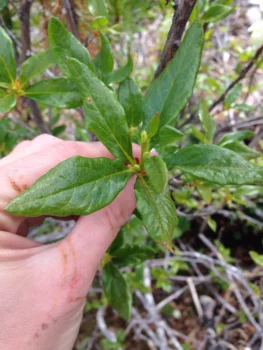
Cascade Azalea: A Hidden Gem for Mountain and Woodland Gardens
If you’re looking to add a touch of mountain magic to your garden, the Cascade azalea (Rhododendron albiflorum) might just be your new best friend. This charming native shrub brings the serene beauty of high-elevation forests right to your backyard, complete with fragrant white blooms and stunning fall color that’ll make your neighbors do a double-take.
What Makes Cascade Azalea Special
The Cascade azalea is a true North American native, calling the mountainous regions of the Pacific Northwest and Rocky Mountains home. This perennial shrub typically reaches about 6 feet tall at maturity, making it perfect for filling that tricky middle layer in your landscape design. Its multi-stemmed growth habit creates a naturally full, rounded shape that looks effortlessly elegant.
What really sets this beauty apart are its pristine white flowers that appear in late spring to early summer. These blooms aren’t just pretty to look at – they’re wonderfully fragrant and absolutely irresistible to native pollinators like bees and butterflies. Come fall, the green foliage transforms into warm shades of yellow and orange, extending the plant’s seasonal interest well beyond its blooming period.
Where You’ll Find Cascade Azalea in the Wild
This mountain-loving shrub naturally grows across an impressive range, including Alberta, British Columbia, Colorado, Idaho, Montana, Oregon, and Washington. It’s perfectly at home in the cool, moist conditions of mountain forests and subalpine zones, where it often grows as an understory plant beneath towering conifers.
- Species observed
- No observations
Perfect Spots for Your Garden
Cascade azalea is an absolute dream for woodland gardens and naturalized areas. Its preference for partial shade makes it an excellent choice for those tricky spots under trees where other shrubs might struggle. Consider using it in:
- Woodland and shade gardens
- Native plant gardens focusing on Pacific Northwest or Rocky Mountain species
- Mountain or alpine-style landscapes
- Mixed shrub borders in partially shaded areas
- Naturalized areas along streams or in moist depressions
The moderate growth rate means you won’t be constantly pruning, but you’ll still see steady progress as your plant establishes itself.
Growing Conditions That Make It Happy
Think cool mountain mornings and you’ll understand what Cascade azalea loves most. This shrub thrives in USDA hardiness zones 4-7, making it quite cold-hardy but less tolerant of extreme heat.
Here’s what your Cascade azalea is hoping for:
- Soil: Acidic conditions (pH 4.5-6.5) with good drainage – think forest floor, not clay bog
- Moisture: Consistent moisture is key, but not waterlogged conditions
- Light: Partial shade is ideal; too much sun can stress the plant
- Temperature: Cool, moist conditions similar to its mountain habitat
- Soil texture: Coarse to medium-textured soils work best
The wetland status varies by region – in some areas, it’s more likely to be found in upland areas, while in others it may occur in wetland margins. This flexibility can work to your advantage when finding the right spot in your garden.
Planting and Care Tips
Getting your Cascade azalea off to a good start is easier than you might think:
- Timing: Plant in spring or early fall when temperatures are moderate
- Site preparation: Amend heavy clay soils with organic matter to improve drainage
- Spacing: Allow 4-6 feet between plants for proper air circulation
- Mulching: Apply 2-3 inches of organic mulch to retain moisture and suppress weeds
- Watering: Keep soil consistently moist, especially during the first growing season
- Fertilizing: Light feeding with an acid-loving plant fertilizer in spring
One important note: Cascade azalea contains compounds that can be toxic if ingested, so keep this in mind if you have curious pets or small children who might be tempted to sample the foliage.
Propagation Possibilities
If you fall in love with your Cascade azalea (and trust us, you will), you’ll be happy to know it can be propagated through several methods. Seeds are abundant and spread rapidly in the right conditions, though cuttings and container propagation are also successful. The plant shows good resprouting ability, which means it can recover well from pruning or minor damage.
Why Your Garden (and Local Wildlife) Will Thank You
By choosing Cascade azalea, you’re not just adding beauty to your landscape – you’re supporting native ecosystems. This shrub provides nectar for native pollinators during its blooming period and offers habitat structure for various wildlife species. Its native status means it’s already perfectly adapted to local growing conditions and supports the web of native insects, birds, and other creatures that have evolved alongside it.
The combination of attractive flowers, lovely fall color, manageable size, and ecological benefits makes Cascade azalea a smart choice for gardeners who want to create beautiful, sustainable landscapes that work with nature rather than against it. Just remember to give it the cool, moist, acidic conditions it craves, and this mountain beauty will reward you with years of reliable performance and seasonal interest.