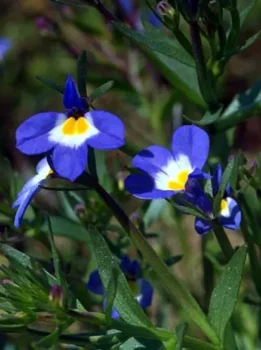
Cascade Calicoflower: A Charming Native for Your Wetland Garden
If you’ve been dreaming of adding some native charm to your seasonal wetland or rain garden, let me introduce you to a delightful little wildflower that might just steal your heart. The cascade calicoflower (Downingia yina) is a petite annual that brings unexpected beauty to wet spots in your landscape – those areas where many other plants fear to tread.
Getting to Know Cascade Calicoflower
Cascade calicoflower is a native annual forb that belongs to the bellflower family. This charming little plant has quite a few scientific aliases – you might also find it listed as Downingia pulcherrima, Downingia willamettensis, or Downingia yina var. major in older plant guides. But don’t let the name confusion fool you; this is one special native worth getting to know.
As an annual forb, cascade calicoflower completes its entire life cycle in just one growing season, making it a fascinating addition to dynamic garden spaces. It’s what botanists call a forb – essentially a non-woody plant that stays relatively low to the ground.
Where You’ll Find It Growing Wild
This Pacific Northwest native calls California, Oregon, and Washington home. You’ll find wild populations scattered throughout these states, typically in areas that flood seasonally and then dry out during summer months.
- Species observed
- No observations
Why You Might Fall in Love with This Little Beauty
Don’t expect towering garden drama from cascade calicoflower – this plant works its magic through delicate charm rather than bold statements. The small flowers, typically measuring just 6-15mm long, showcase a lovely palette of blue to purple petals adorned with distinctive white and yellow markings that give the blooms an almost painted appearance.
The flowering season runs from spring into early summer, providing a cheerful carpet of color just when many gardens are still shaking off winter’s grip. While individual plants may be small, when grown in groups, they create a stunning naturalistic display that looks like nature’s own watercolor painting.
Perfect Spots in Your Garden
Here’s where cascade calicoflower gets interesting – and a bit demanding. This isn’t your typical garden flower that you can plop down anywhere and expect it to thrive. Cascade calicoflower has very specific habitat needs that make it perfect for certain garden situations:
- Seasonal wetland gardens or constructed vernal pools
- Rain gardens that collect and hold water temporarily
- Low-lying areas that flood in winter and spring
- Native plant restoration projects
- Naturalistic landscapes mimicking Pacific Northwest ecosystems
This plant earned its obligate wetland status honestly – it almost always occurs in wetlands and has adapted to thrive in conditions that would drown many other garden plants.
Growing Conditions That Make It Happy
If you’re thinking about adding cascade calicoflower to your garden, you’ll need to recreate its preferred natural habitat. Here’s what this unique native needs:
- Water requirements: Seasonal flooding or standing water during winter and spring months
- Soil type: Clay or heavy soils that hold moisture well
- Sun exposure: Full sun to partial shade
- Climate zones: USDA hardiness zones 8-10
- Summer conditions: Tolerates and even prefers summer drought after seeds have set
Planting and Care Tips
Growing cascade calicoflower successfully is all about timing and water management:
- When to plant: Direct seed in fall for best results
- Germination: Seeds need cool, moist conditions and will germinate with winter rains
- Water management: Ensure the planting area stays moist to wet through winter and spring
- Summer care: Allow the area to dry out naturally after flowering – this mimics the plant’s natural cycle
- Maintenance: Minimal care needed once established in appropriate conditions
Benefits for Pollinators and Wildlife
While cascade calicoflower may be small, it punches above its weight when it comes to supporting local ecosystems. During its bloom period, this native attracts various small pollinators, including native bees and other beneficial insects. As part of a diverse native plant community, it contributes to the complex web of relationships that support Pacific Northwest wildlife.
Is Cascade Calicoflower Right for Your Garden?
This charming native isn’t for every garden or every gardener. You’ll want to choose cascade calicoflower if you:
- Have a naturally wet or seasonally flooded area in your landscape
- Are creating a rain garden or seasonal wetland feature
- Want to support native Pacific Northwest ecosystems
- Enjoy the subtle beauty of wildflowers over flashy garden hybrids
- Are working on habitat restoration or native plant gardening projects
However, cascade calicoflower might not be the best choice if you’re looking for a reliable perennial, need plants for dry garden areas, or want bold, long-lasting flower displays.
For gardeners in the Pacific Northwest with the right growing conditions, cascade calicoflower offers a wonderful opportunity to incorporate a truly local native into the landscape while supporting regional wildlife and celebrating the unique beauty of seasonal wetland habitats.