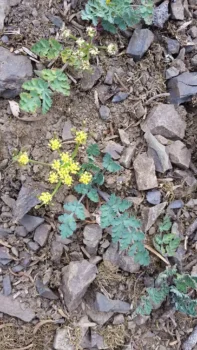
Cascade Desertparsley: A Native Northwest Gem for Your Garden
Meet cascade desertparsley (Lomatium martindalei), a delightful native perennial that’s been quietly beautifying the Pacific Northwest landscape for centuries. This unassuming little plant might not win any flashy flower contests, but it’s got charm, resilience, and ecological value that make it a stellar choice for gardeners who appreciate understated elegance.
What Makes Cascade Desertparsley Special?
Cascade desertparsley is a true Pacific Northwest native, calling British Columbia, Washington, Oregon, and northern California home. As a member of the carrot family, this herbaceous perennial produces clusters of tiny yellow flowers arranged in umbrella-like formations that dance above finely divided, feathery foliage. Think of it as nature’s version of delicate lace – pretty without being pretentious.
The plant grows naturally across the Pacific Northwest region, thriving in the diverse landscapes from British Columbia down through California, with strong populations in Oregon and Washington.
- Species observed
- No observations
Why Your Garden Will Love This Native Beauty
Here’s where cascade desertparsley really shines – it’s practically the poster child for low-maintenance gardening. Once established, this tough little plant can handle drought conditions like a champ, making it perfect for those of us who occasionally forget to water (we’ve all been there!).
The plant works wonderfully as:
- Groundcover in natural garden areas
- An accent plant in rock gardens
- Part of native plant meadow mixes
- Erosion control on slopes
- A drought-tolerant addition to naturalized landscapes
The Pollinator Party
Those cheerful yellow flower clusters aren’t just pretty – they’re like tiny landing pads for beneficial insects. Native bees, butterflies, and other pollinators absolutely love cascade desertparsley, making it an excellent choice for gardeners wanting to support local wildlife. It’s like hosting a neighborhood block party, but for bugs (in the best possible way).
Growing Cascade Desertparsley: The Easy Route
Good news for gardeners in USDA zones 5-9 – cascade desertparsley is remarkably adaptable. This native thrives in full sun to partial shade and isn’t picky about soil types, though it does have a preference for well-draining, sandy, or rocky conditions.
Planting and Care Tips
Getting started with cascade desertparsley is refreshingly straightforward:
- When to plant: Fall direct seeding works best, mimicking natural growing patterns
- Soil prep: Ensure good drainage – this plant despises wet feet
- Watering: Water regularly during establishment, then back off – drought tolerance is this plant’s superpower
- Maintenance: Minimal! Just avoid overwatering and let it do its thing
- Perfect spots: Slopes, rock gardens, and areas where you want attractive groundcover without constant fussing
The Bottom Line
Cascade desertparsley might not be the showiest plant in your garden, but it’s definitely one of the most reliable. It’s native, drought-tolerant, pollinator-friendly, and asks for very little in return for its quiet beauty. For gardeners looking to create sustainable, low-maintenance landscapes that support local ecosystems, this little northwestern native is a perfect choice.
Whether you’re creating a native plant garden, looking for reliable groundcover, or just want to add some authentic Pacific Northwest character to your landscape, cascade desertparsley delivers without drama. And sometimes, that’s exactly what a garden needs.