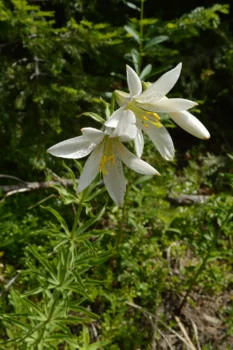
Cascade Lily: A Pacific Northwest Native That Will Make Your Garden Bloom with Fragrance
If you’re looking for a show-stopping native lily that brings both beauty and ecological value to your Pacific Northwest garden, meet the Cascade lily (Lilium washingtonianum purpurascens). This gorgeous perennial is like nature’s own perfume factory, producing sweetly scented white flowers that gracefully age to soft pink and purple hues.
A True Pacific Northwest Native
The Cascade lily is a proud native of the western United States, calling California and Oregon home. As a native species, it has evolved alongside local wildlife and growing conditions, making it a natural choice for gardeners who want to support their local ecosystem while enjoying spectacular blooms.
- Species observed
- No observations
Why Your Garden Needs This Beauty
This herbaceous perennial forb is more than just a pretty face. Here’s what makes the Cascade lily a garden superstar:
- Fragrant white trumpet-shaped flowers that transition to pink and purple as they age
- Impressive height of 3-6 feet, creating dramatic vertical interest
- Attracts beneficial pollinators including butterflies and moths
- Perfect for woodland and shade gardens
- Low-maintenance once established
Where to Plant Your Cascade Lily
The Cascade lily thrives in USDA hardiness zones 5-8, making it perfect for much of the Pacific Northwest. This woodland beauty prefers:
- Partial shade to dappled sunlight
- Well-draining soil that doesn’t stay soggy
- Cool, moist growing conditions
- Protection from harsh afternoon sun
It’s ideal for woodland gardens, naturalized areas, and native plant gardens where it can show off its natural grace alongside other Pacific Northwest natives.
Planting and Care Tips for Success
Growing Cascade lilies successfully is easier than you might think, but timing is everything:
- Plant bulbs in fall for spring blooms
- Choose a location with good drainage to prevent bulb rot
- Apply a layer of organic mulch to keep roots cool and retain moisture
- Avoid disturbing the bulbs once planted – they don’t like to be moved
- Allow foliage to die back naturally to feed the bulb for next year’s show
Remember that this lily requires a winter chill period to bloom properly, so it’s perfectly adapted to Pacific Northwest winters.
Supporting Local Ecosystems
By choosing the Cascade lily, you’re not just adding beauty to your garden – you’re supporting local wildlife. The fragrant flowers attract native pollinators, helping to maintain the delicate balance of your local ecosystem. Plus, as a native plant, it requires fewer resources and is naturally adapted to local climate conditions.
The Bottom Line
The Cascade lily is a fantastic choice for Pacific Northwest gardeners who want to combine stunning beauty with ecological responsibility. Its fragrant blooms, impressive stature, and native status make it a winner for woodland gardens and naturalized areas. Just remember to plant in fall, provide good drainage, and let this native beauty do what it does best – create a spectacular show while supporting your local ecosystem.