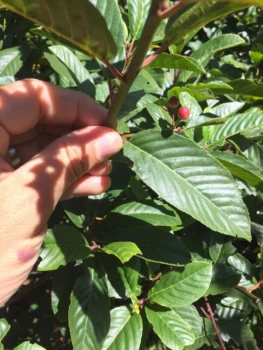
Cascara Buckthorn: A Pacific Northwest Native Worth Growing
If you’re looking to add a sturdy, wildlife-friendly native shrub to your garden, meet Cascara buckthorn (Frangula purshiana). This unassuming Pacific Northwest native might not win any flashy flower contests, but it’s got character, history, and plenty of practical benefits that make it a worthy addition to the right landscape.
What Is Cascara Buckthorn?
Cascara buckthorn, also known as Pursh’s buckthorn, is a slow-growing native shrub that can reach impressive heights of up to 35 feet at maturity, though it typically stays closer to 20 feet in most garden settings. Don’t let the slow-growing label discourage you—good things take time, and this multi-stemmed beauty develops into a substantial presence with dense, coarse-textured foliage that provides excellent structure in naturalistic plantings.
Where Does It Grow Naturally?
This hardy native calls the Pacific Northwest and western mountain regions home, naturally occurring in British Columbia, California, Idaho, Montana, Oregon, and Washington. It’s perfectly adapted to the varied climates of these regions, from coastal areas to inland valleys and mountainous terrain.
- Species observed
- No observations
Why Consider Planting Cascara Buckthorn?
Here’s where this native really shines:
- Wildlife magnet: The small white spring flowers provide nectar for pollinators, while the conspicuous black berries are a favorite food source for birds
- Low maintenance: Once established, it’s drought-tolerant and requires minimal fertilization
- Shade tolerant: Unlike many shrubs, cascara buckthorn actually tolerates shade well, making it perfect for understory plantings
- Long-lived: This is a long-term investment that will be around for decades
- Fall interest: The foliage puts on a nice show in autumn
- Historical significance: This plant has deep cultural importance to Indigenous peoples of the Pacific Northwest
Growing Conditions and Care
Cascara buckthorn is refreshingly undemanding once you understand its preferences:
Hardiness: Thrives in USDA zones 6-9, handling temperatures as low as -3°F
Soil requirements: Prefers coarse to medium-textured soils and isn’t picky about fertility. It handles slightly acidic to neutral pH (5.9-7.9) but doesn’t tolerate salty conditions or fine clay soils well.
Water needs: Medium moisture requirements with good drought tolerance once established. It can handle both wetland and upland conditions, making it quite versatile.
Sun exposure: This is one of the few shrubs that genuinely tolerates shade, though it will also grow in partial to full sun.
Space planning: Plan for mature width of 10-15 feet and give it room to develop its natural semi-erect, multi-stemmed form.
Planting and Establishment Tips
Getting your cascara buckthorn off to a good start:
- Timing: Plant in fall or early spring when temperatures are mild
- Site preparation: Ensure good drainage, especially if you have heavy clay soil
- Cold stratification: If starting from seed, the seeds require cold treatment to germinate properly
- Propagation options: Can be grown from seed, cuttings, or purchased as container plants (though commercial availability may be limited)
- Patience required: Remember, this is a slow grower—don’t expect rapid results, but do expect lasting value
Best Uses in the Landscape
Cascara buckthorn works beautifully in:
- Native plant and woodland gardens
- Wildlife habitat restoration projects
- Naturalistic landscape designs
- Understory plantings beneath larger trees
- Mixed native shrub borders
- Erosion control on slopes (thanks to its deep root system)
Things to Consider
While cascara buckthorn has many positives, it’s not for every garden situation:
- The slow growth rate means it’s not ideal if you need quick screening or immediate impact
- It can get quite large, so small gardens might find it overwhelming
- The flowers, while beneficial to pollinators, aren’t particularly showy
- It may not be readily available at typical garden centers
The Bottom Line
Cascara buckthorn is a solid choice for gardeners who value native plants, wildlife habitat, and low-maintenance landscaping. While it won’t give you instant gratification, it offers long-term rewards in the form of wildlife support, seasonal interest, and the satisfaction of growing a plant that truly belongs in your local ecosystem. If you have the space and patience for a slow-growing native with genuine ecological value, cascara buckthorn might just be the perfect addition to your landscape.