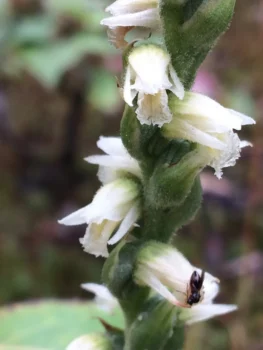
Case’s Lady’s Tresses: A Delicate Native Orchid Worth Knowing
If you’ve ever stumbled upon a delicate spiral of tiny white flowers dancing atop a slender stem in late summer, you might have discovered one of North America’s most charming native orchids: Case’s lady’s tresses (Spiranthes casei). This perennial forb brings an unexpected touch of elegance to natural landscapes across the northeastern United States and eastern Canada.
What Makes Case’s Lady’s Tresses Special
Case’s lady’s tresses stands out in the native plant world for its distinctive spiraling flower arrangement. The small, creamy-white orchid flowers twist gracefully around the stem like a botanical spiral staircase, typically reaching heights of 8-16 inches. This unique flowering pattern, combined with its late-season blooming period from August through September, makes it a captivating addition to any native plant enthusiast’s collection.
As a native forb, this orchid lacks significant woody tissue and maintains its perennating buds at or below ground level, allowing it to return reliably each year in suitable conditions.
Where You’ll Find This Native Beauty
Case’s lady’s tresses is truly a regional treasure, native to both Canada and the lower 48 United States. Its natural range includes the Canadian provinces of New Brunswick, Nova Scotia, Ontario, and Quebec, as well as several U.S. states including Maine, Michigan, New Hampshire, New York, Pennsylvania, Vermont, and Wisconsin.
- Species observed
- No observations
This distribution pattern reveals the plant’s preference for cooler, northern climates and helps explain its specific growing requirements.
Garden Role and Design Potential
While Case’s lady’s tresses may not be the showiest plant in your garden, it serves as a sophisticated accent in native plant designs. Its subtle beauty works best in:
- Woodland edge plantings
- Native plant collections
- Naturalized meadow areas
- Conservation-focused landscapes
The plant’s late-season blooming period makes it particularly valuable for extending the flowering season in native gardens, providing visual interest when many other plants are beginning to fade.
Pollinator and Wildlife Benefits
Don’t let its delicate appearance fool you – Case’s lady’s tresses punches above its weight when it comes to supporting local ecosystems. The flowers attract various native pollinators, including small bees and butterflies, providing a crucial late-season nectar source when other food sources may be scarce. This timing makes it an essential component of pollinator-friendly native plantings.
Growing Conditions and Hardiness
Case’s lady’s tresses thrives in USDA hardiness zones 3-7, making it well-suited for northern gardens. The plant prefers:
- Moist, well-draining soils
- Partial shade to dappled sunlight
- Cool, humid conditions
- Areas that mimic its natural woodland edge habitat
The Reality of Growing Native Orchids
Here’s where we need to have an honest conversation: Case’s lady’s tresses, like most native orchids, is notoriously challenging to cultivate. These plants have complex relationships with specific soil fungi (mycorrhizae) that are essential for their survival. Without these fungal partners, the orchids simply cannot thrive.
For most home gardeners, attempting to transplant or cultivate Case’s lady’s tresses is likely to end in disappointment. The plant’s specialized needs make it better suited for experienced orchid growers or conservation professionals.
Better Ways to Support This Species
Rather than trying to grow Case’s lady’s tresses in your garden, consider these alternatives:
- Support habitat conservation efforts in your area
- Learn to identify and appreciate the species in its natural habitat
- Choose other native plants that provide similar late-season pollinator benefits
- Participate in citizen science projects that monitor native orchid populations
The Bottom Line
Case’s lady’s tresses represents the fascinating complexity of native plant communities. While it may not be practical for most home gardens, understanding and appreciating this species helps us better connect with the intricate web of relationships that support our local ecosystems. Sometimes the best way to honor a native plant is to admire it in its natural habitat and work to protect the conditions it needs to thrive.
If you’re passionate about native orchids and have experience with their specialized requirements, Case’s lady’s tresses can be a rewarding challenge. For everyone else, this delicate beauty serves as a wonderful reminder of the incredible diversity hiding in plain sight in our native landscapes.