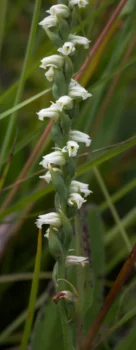
Case’s Lady’s Tresses: A Delicate Native Orchid for Your Garden
Meet Case’s lady’s tresses (Spiranthes casei var. casei), a charming native orchid that brings understated elegance to gardens across northeastern North America. This perennial forb might not shout for attention like a flashy hybrid rose, but its delicate spiral of white flowers has been quietly enchanting gardeners and pollinators for generations.
A True North American Native
Case’s lady’s tresses is proudly native to both Canada and the United States, making it a fantastic choice for gardeners who want to support local ecosystems. This lovely orchid calls home to an impressive range that spans across New Brunswick, Nova Scotia, Ontario, Quebec, Maine, Michigan, New Hampshire, New York, Pennsylvania, Vermont, and Wisconsin.
- Species observed
- No observations
What Makes This Plant Special
Don’t let the word orchid intimidate you – Case’s lady’s tresses is tougher than many of its tropical cousins. This perennial forb produces slender stems topped with distinctive spiraling spikes of small, white flowers that bloom from late summer into early fall. The flowers are arranged in a graceful twist that gives the plant its common name, resembling delicate lacework against the landscape.
Growing 6 to 24 inches tall and spreading just 3 to 6 inches wide, this modest beauty won’t take over your garden. Instead, it adds a touch of wild sophistication wherever it’s planted.
Perfect Spots in Your Garden
Case’s lady’s tresses thrives in several garden settings:
- Native plant gardens and prairie restorations
- Rain gardens and bioswales
- Pond edges and stream banks
- Naturalized meadow areas
- Rock gardens with consistent moisture
This orchid particularly shines when planted in drifts alongside other native wildflowers, where its subtle beauty can complement showier bloomers.
Growing Conditions That Make It Happy
Here’s where Case’s lady’s tresses gets a bit particular – but don’t worry, once you understand its needs, it’s quite manageable. This orchid prefers:
- Moisture: Consistently moist to wet soils (it naturally grows in wetlands and fens)
- Soil type: Alkaline, calcareous soils with good drainage
- Light: Full sun to partial shade
- Climate: Hardy in USDA zones 3-7
The key to success is mimicking its natural wetland habitat – think feet wet, head in the sun.
Planting and Care Tips
Growing Case’s lady’s tresses requires patience and the right approach:
- Source responsibly: Purchase plants from reputable native plant nurseries
- Plant timing: Best planted in early spring or fall
- Soil preparation: Amend heavy clay or sandy soils with organic matter, ensure pH is neutral to alkaline
- Watering: Maintain consistent moisture, especially during the first growing season
- Patience required: This orchid is slow to establish and may take 2-3 years to bloom reliably
- Winter care: Leave foliage standing through winter for natural protection
Benefits for Pollinators and Wildlife
Case’s lady’s tresses is a pollinator magnet, attracting native bees, butterflies, and other beneficial insects with its nectar-rich flowers. The late-season bloom time is particularly valuable, providing food when many other flowers have finished for the year. Small mammals and birds may also benefit from the seeds and use the plant structure for shelter.
Is This Plant Right for Your Garden?
Consider Case’s lady’s tresses if you:
- Have a moist to wet area that needs native plants
- Want to support native pollinators with late-season blooms
- Enjoy subtle, naturalistic garden design
- Have patience for slow-establishing plants
- Live within its native range
However, this might not be the best choice if you’re looking for instant gratification, have very dry conditions, or prefer low-maintenance plants that thrive with neglect.
The Bottom Line
Case’s lady’s tresses rewards patient gardeners with years of delicate beauty and ecological benefits. While it may require specific growing conditions and time to establish, this native orchid offers something special – a connection to North America’s natural heritage and a unique addition to moisture-loving garden spaces. For gardeners within its native range who can provide the right conditions, Case’s lady’s tresses is a worthwhile investment in both beauty and biodiversity.