Cat Greenbrier: A Native Vine That’s Equal Parts Helpful and Handful
If you’re looking for a native plant that can solve your erosion problems while feeding local wildlife, cat greenbrier (Smilax glauca) might be your answer. But before you rush to plant this thorny character, there are a few things you should know about this spirited native vine.
What Exactly Is Cat Greenbrier?
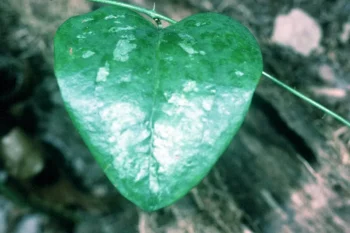
Cat greenbrier is a perennial shrub-like vine that’s as tough as it is useful. Despite being called a greenbrier, it’s actually more blue-green to gray-green in color, with heart-shaped leaves that have a lovely glossy finish. This climbing native can reach about 1 foot in height when sprawling, but don’t let that fool you – it spreads rapidly and can form dense thickets that would make any rabbit feel right at home.
You might also see this plant listed under its botanical synonyms, including Smilax glauca var. genuina and Smilax glauca var. leurophylla, but they’re all the same resilient character.
Where You’ll Find This Native Beauty
Cat greenbrier is a true American native, found across an impressive range of the lower 48 states. From Alabama to Wyoming, and everywhere from Connecticut down to Texas, this adaptable vine has made itself at home in a variety of landscapes. You’ll find it growing naturally in Alabama, Arkansas, Connecticut, Delaware, District of Columbia, Florida, Georgia, Illinois, Indiana, Kansas, Kentucky, Louisiana, Maryland, Massachusetts, Mississippi, Missouri, Nebraska, New Jersey, New York, North Carolina, Ohio, Oklahoma, Pennsylvania, Rhode Island, South Carolina, Tennessee, Texas, Virginia, West Virginia, and Wyoming.
- Species observed
- No observations
The Wildlife Magnet You Didn’t Know You Needed
Here’s where cat greenbrier really shines – it’s like a wildlife cafeteria! This generous native provides 5% to 10% of the diet for:
- Large animals
- Small mammals
- Terrestrial birds
The small, inconspicuous green flowers bloom in spring and attract various small pollinators. But the real showstopper comes later – those conspicuous black berries that persist from spring through fall are absolute wildlife gold. Birds especially love them, making your garden a bustling hub of activity.
Growing Conditions: Where Cat Greenbrier Thrives
One of the best things about cat greenbrier is its go with the flow attitude about growing conditions. This adaptable native is surprisingly flexible about where it’ll grow:
Soil: Happy in coarse, medium, or fine-textured soils with a pH between 4.5 and 7.5
Water needs: Medium moisture requirements with medium drought tolerance
Sunlight: Shade tolerant (perfect for those tricky woodland areas!)
Climate: Thrives in USDA zones 5-9, tolerating temperatures as low as -13°F
Rainfall: Adaptable to areas receiving 35-60 inches of precipitation annually
The wetland status varies by region – it can grow in wetlands in coastal areas but prefers upland sites in most regions, making it quite the geographic chameleon.
Should You Plant Cat Greenbrier?
This is where things get interesting. Cat greenbrier is fantastic for:
- Erosion control on slopes
- Wildlife gardens and naturalized landscapes
- Woodland gardens needing ground cover
- Areas where you want rapid coverage
But here’s the catch – this vine has a rapid growth rate and forms thickets. It’s a vigorous spreader both by seed (moderate spread rate) and vegetatively (moderate spread rate). Translation: it can take over if you’re not paying attention.
Planting and Care Tips
If you’ve decided to welcome cat greenbrier into your landscape, here’s how to do it successfully:
Starting from seed: Seeds require cold stratification, so be patient. Fruit and seed abundance is low, and there’s no known commercial source, so you might need to collect your own or find a plant swap.
Planting: Can be propagated by bare root, container, or seed. Plant density can range from 2,728 to 10,912 plants per acre, depending on your coverage goals.
Maintenance: This long-lived perennial has high resprout ability and high fire tolerance. Regular pruning will help keep it in bounds – remember, it has low hedge tolerance, so don’t expect it to stay neatly trimmed without effort.
Spacing: Give it room to spread, but be prepared to manage its enthusiasm.
The Bottom Line
Cat greenbrier is like that friend who’s incredibly helpful but might accidentally take over your couch if you’re not clear about boundaries. It’s a native plant that provides excellent wildlife benefits and solves real landscape problems, but it needs a gardener who understands its vigorous nature.
If you have a large naturalized area, need erosion control, or want to create serious wildlife habitat, cat greenbrier could be perfect. Just make sure you’re ready for a plant that takes make yourself at home quite literally. With proper management and realistic expectations, this native vine can be a valuable addition to the right landscape.