Catalina Island Mountain Mahogany: A Rare Gem Worth Protecting
Meet one of California’s rarest native shrubs – the Catalina Island mountain mahogany (Cercocarpus traskiae). This extraordinary plant has a story that’s both fascinating and heartbreaking, making it a true conservation treasure that deserves our attention and protection.
What Makes This Plant So Special?
The Catalina Island mountain mahogany isn’t your average backyard shrub. This perennial woody plant is what botanists call an endemic species, meaning it exists naturally in only one place on Earth – Santa Catalina Island, off the coast of Southern California. Talk about exclusive real estate!
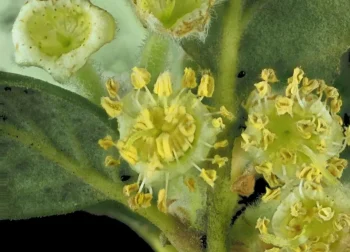
This multi-stemmed shrub typically grows to about 13-16 feet in height, though it can vary depending on growing conditions. Its silvery-green evergreen foliage provides year-round interest, while small white flowers appear in spring, followed by the plant’s signature feature: feathery, plume-like seeds that dance in the autumn breeze.
Where Does It Grow?
Here’s where things get both interesting and concerning. Catalina Island mountain mahogany grows exclusively in California – specifically, only on Santa Catalina Island. This incredibly limited geographic distribution makes it one of the rarest plants in North America.
- Species observed
- No observations
A Conservation Alert: Handle with Care
Before we dive into growing tips, there’s something crucial you need to know. Catalina Island mountain mahogany has a Global Conservation Status of S1, meaning it’s critically imperiled. It’s also listed as Endangered, with typically fewer than 1,000 individuals remaining in the wild.
What this means for gardeners: If you’re lucky enough to find this plant available, make absolutely certain it comes from responsibly sourced, ethically propagated material – never from wild collection. Many reputable native plant nurseries work with conservation programs to propagate rare species legally and sustainably.
Should You Plant It?
Here’s the honest truth: most gardeners won’t have access to this plant, and that’s actually okay from a conservation standpoint. However, if you do encounter ethically sourced plants, growing them can be an act of conservation, helping to preserve genetic diversity outside their natural habitat.
Consider this plant if you:
- Are passionate about plant conservation
- Have experience growing challenging native plants
- Live in USDA zones 9-11
- Can provide Mediterranean-style growing conditions
- Want a unique specimen for a specialized native plant collection
Growing Conditions and Care
If you do have the opportunity to grow Catalina Island mountain mahogany, here’s what this island native needs to thrive:
Sunlight: Full sun to partial shade – it’s adapted to the bright, open conditions of its island home.
Soil: Well-draining soil is absolutely critical. This plant cannot tolerate wet feet or heavy clay soils. Think Mediterranean – rocky, well-drained, and not too rich.
Water: Drought tolerant once established, but provide regular water during the first growing season. After that, it prefers the tough love approach typical of Mediterranean climates.
Climate: Best suited for USDA hardiness zones 9-11, where it can enjoy mild, wet winters and dry summers.
Landscape Role and Design Ideas
In the right setting, Catalina Island mountain mahogany makes an exceptional specimen plant. Its unique status and attractive features make it perfect for:
- Conservation gardens focused on rare California natives
- Mediterranean-style landscapes
- Drought-tolerant garden designs
- Educational gardens that tell the story of plant conservation
Benefits for Wildlife
Despite its rarity, this shrub doesn’t forget its ecological responsibilities. The small spring flowers attract native bees and other pollinators, while the plant provides habitat structure for small birds and insects. Every individual plant becomes a tiny ecosystem supporting local wildlife.
The Bottom Line
Catalina Island mountain mahogany represents both the wonder and fragility of California’s native plant heritage. While most gardeners should admire this species from afar and support conservation efforts, those with access to ethically sourced plants have an opportunity to participate in preserving a living piece of natural history.
If you’re inspired by rare plants but can’t access this particular species, consider exploring other native California mountain mahogany species or supporting organizations working to protect Catalina Island’s unique ecosystems. Sometimes the best way to love a plant is to help protect its wild home.
Remember: every rare plant tells a story about the preciousness of biodiversity. Whether or not you ever grow Catalina Island mountain mahogany, its existence reminds us why native plant conservation matters – and why every garden can play a role in protecting our natural heritage.