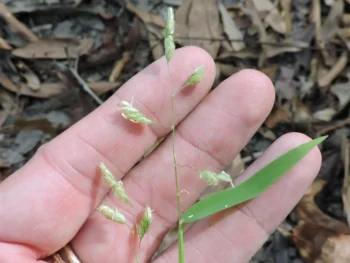
Catchfly Grass: A Native Wetland Wonder for Your Water Garden
If you’ve been dreaming of adding an authentic native grass to your rain garden or pond edge, let me introduce you to catchfly grass (Leersia lenticularis). This unassuming perennial grass might not win any flashy flower contests, but it’s a wetland superstar that deserves a spot in every water-loving gardener’s heart.
What Makes Catchfly Grass Special?
Catchfly grass is a true American native, naturally occurring across 22 states from the Southeast to the Great Plains. You’ll find this hardy perennial thriving everywhere from Alabama and Florida up to Minnesota and Wisconsin, with plenty of states in between. It’s particularly at home in the wetlands of the Atlantic and Gulf Coastal Plains, Eastern Mountains, Piedmont, Great Plains, and Midwest regions.
- Species observed
- No observations
This grass has earned its obligate wetland status honestly – it almost always occurs in wetlands and absolutely loves having its feet wet. Also known by its scientific name Leersia lenticularis (and formerly called Homalocenchrus lenticularis), this member of the grass family brings both function and subtle beauty to water-wise landscapes.
Garden Appeal and Landscape Role
Don’t expect catchfly grass to be the showstopper of your garden – its charm lies in its understated elegance. This fine-textured grass grows in an upright, rhizomatous form, reaching about 2.6 feet tall at maturity. The green foliage provides a lovely backdrop for more colorful wetland plants, and while its green flowers aren’t particularly conspicuous, they give way to small red seeds in the fall.
Where catchfly grass really shines is in its practical applications:
- Erosion control along pond edges and stream banks
- Naturalized wetland gardens and prairie restorations
- Rain gardens and bioswales
- Wildlife habitat areas
- Low-maintenance native landscapes
Growing Conditions: Keep It Wet!
The secret to success with catchfly grass is simple: give it the wet conditions it craves. This obligate wetland plant has very low drought tolerance, so don’t even think about planting it in that dry, sunny border. Instead, consider these ideal growing conditions:
- Moisture: Consistently wet to saturated soil
- Sunlight: Full sun (shade intolerant)
- Soil: Adapts to coarse, medium, or fine-textured soils
- pH: Tolerates a wide range from 5.0 to 8.0
- Climate: Hardy in USDA zones 4-9 (tolerates temperatures down to -33°F)
This moderate grower has medium fertility requirements and can handle anaerobic (oxygen-poor) soil conditions that would stress many other plants. It’s also moderately tolerant of fire, making it suitable for prairie restoration projects.
Planting and Care Tips
Ready to add catchfly grass to your wetland garden? Here’s what you need to know:
Planting: Unfortunately, catchfly grass has no known commercial sources, so you’ll need to source it from native plant societies, seed swaps, or specialized native plant nurseries. The plant can be propagated by bare root divisions, as it spreads slowly via rhizomes.
Establishment: Plant in spring when the soil is workable but still saturated from winter moisture. Space plants according to your desired density – anywhere from about 11,000 to 19,000 plants per acre for restoration projects.
Maintenance: Once established, catchfly grass is refreshingly low-maintenance. Just ensure consistent moisture and let it do its thing. The plant has a long lifespan and moderate growth rate, so you won’t need to worry about aggressive spreading.
Wildlife and Ecosystem Benefits
While catchfly grass may be wind-pollinated and not a major pollinator magnet, it plays important ecological roles in wetland ecosystems. Its dense root system helps stabilize soil and prevent erosion, while its seeds provide food for various wildlife species. The grass also contributes to the overall habitat complexity that wetland creatures depend on.
Should You Plant Catchfly Grass?
If you have a wet area in your landscape and want to support native ecosystems, catchfly grass could be perfect for you. It’s ideal for gardeners who:
- Have naturally wet or boggy areas
- Want to create authentic native wetland habitats
- Need erosion control for water features
- Appreciate subtle, natural beauty over flashy flowers
- Prefer low-maintenance, long-lived plants
However, skip this grass if you have dry conditions, want immediate visual impact, or need a plant for shady areas. Remember, this is a specialist that thrives only in its preferred wet, sunny conditions.
Catchfly grass may not be the most glamorous native plant, but for the right water garden, it’s pure gold. Give it the soggy conditions it loves, and you’ll have a faithful, long-lived addition to your native landscape that supports local ecosystems while requiring minimal care. Sometimes the best garden companions are the quiet, dependable ones that just get the job done beautifully.