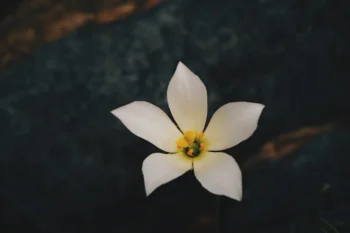
Catchfly Prairie Gentian: A Hidden Gem for Native Gardens
If you’re looking for a charming native wildflower that’s as tough as it is beautiful, let me introduce you to the catchfly prairie gentian (Eustoma exaltatum exaltatum). This delightful little forb might not be a household name, but it deserves a spot in every native plant enthusiast’s garden.
What Is Catchfly Prairie Gentian?
Catchfly prairie gentian is a native herbaceous plant that can behave as either an annual or perennial, depending on growing conditions. As a forb, it’s a non-woody flowering plant that produces lovely purple to lavender funnel-shaped blooms that seem to glow against its silvery-green foliage. You might also see it listed under its botanical synonym, Eustoma barkleyi, but don’t let the scientific names confuse you – we’re talking about the same wonderful plant.
Where Does It Call Home?
This prairie beauty is truly American-born, native to the lower 48 states with a particular fondness for the Southwest and South-Central regions. You’ll find natural populations thriving across a impressive range of states including Alabama, Arizona, Arkansas, California, Florida, Louisiana, Mississippi, Nevada, New Mexico, and Texas.
- Species observed
- No observations
Why Your Garden Will Love This Plant
Here’s where catchfly prairie gentian really shines as a garden addition:
- Pollinator magnet: Those gorgeous funnel-shaped flowers are like beacons for native bees, butterflies, and other beneficial insects
- Drought champion: Once established, this plant laughs in the face of dry spells
- Low maintenance: Perfect for gardeners who want beauty without the fuss
- Native credentials: Supporting local ecosystems while adding visual appeal
Perfect Garden Spots
Catchfly prairie gentian feels right at home in:
- Wildflower and prairie gardens
- Xeriscapes and drought-tolerant landscapes
- Native plant gardens
- Naturalized areas where you want a pop of color
- Mixed borders with other southwestern natives
Growing Conditions That Make It Happy
This plant isn’t particularly fussy, but it does have some preferences:
- Sunlight: Full sun is where it truly thrives
- Soil: Well-draining soil is essential – soggy feet are a no-go
- Climate: Best suited for USDA hardiness zones 8-10
- Water: Drought tolerant once established, but appreciates occasional watering during extreme dry periods
Planting and Care Tips
Getting started with catchfly prairie gentian is refreshingly straightforward:
- When to plant: Direct seed in fall for spring germination, or early spring after the last frost
- Spacing: Give plants room to breathe with adequate spacing for air circulation
- Watering: Water regularly during establishment, then back off and let nature take over
- Maintenance: Deadhead spent flowers to encourage more blooms, or let them go to seed for natural reseeding
The Bottom Line
Catchfly prairie gentian might be one of those best kept secrets in the native plant world, but it shouldn’t be. This resilient, beautiful, and ecologically valuable plant brings authentic regional character to gardens while supporting local wildlife. If you’re gardening in zones 8-10 and want to add some true native flair to your landscape, this prairie gentian deserves serious consideration.
Plus, there’s something satisfying about growing a plant that’s perfectly adapted to your local conditions – less work for you, more benefits for the environment. Now that’s what I call a win-win!