Catclaw Acacia: The Prickly Pioneer Perfect for Desert Gardens
If you’re looking for a tough-as-nails native shrub that laughs in the face of drought and still manages to put on a spectacular spring flower show, meet the catclaw acacia (Senegalia greggii). This spunky southwestern native might have an attitude (thanks to those curved thorns that give it its name), but it’s exactly the kind of low-maintenance, high-impact plant that desert gardeners dream about.
What Makes Catclaw Acacia Special?
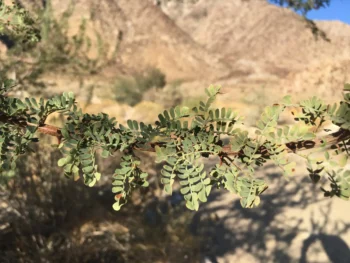
Don’t let the thorns fool you – catclaw acacia is a charmer. This perennial shrub typically grows 15-20 feet tall with a multi-stemmed growth habit that creates an attractive, naturally sculptural form. In mid-spring, it bursts into bloom with clusters of fragrant, bright yellow flowers that practically glow against the desert landscape. The fine-textured, green foliage provides year-round interest, while the brown seed pods that follow the flowers add another layer of visual appeal.
As a true native of the American Southwest, catclaw acacia is perfectly adapted to harsh desert conditions. It’s native to Arizona, California, Nevada, New Mexico, Texas, and Utah, where it thrives in some of the most challenging growing conditions imaginable.
- Species observed
- No observations
Why Desert Gardeners Love This Plant
Here’s where catclaw acacia really shines – it’s practically indestructible once established. With high drought tolerance and the ability to thrive on just 3-20 inches of annual precipitation, this shrub is perfect for xeriscaping and low-water gardens. It grows slowly but steadily, reaching its mature height over about 20 years, which means you won’t be constantly pruning to keep it in bounds.
The plant works beautifully in several landscape roles:
- Natural privacy screens and barriers (those thorns aren’t just for show!)
- Wildlife habitat gardens
- Desert and xeriscape designs
- Naturalized landscapes
- Erosion control on slopes
A Pollinator Magnet
Those cheerful yellow spring blooms aren’t just pretty – they’re pollinator magnets. Bees, butterflies, and other beneficial insects flock to the fragrant flowers, making catclaw acacia an excellent choice for gardeners who want to support local pollinators while maintaining a low-water landscape.
Growing Conditions and Care
Catclaw acacia is remarkably adaptable to different soil types, thriving in coarse, medium, and fine-textured soils. It prefers well-draining conditions and is completely intolerant of shade – this is a full-sun plant through and through. The ideal pH range is 6.5-8.5, and it has high tolerance for alkaline conditions.
This shrub is hardy in USDA zones 8-11 and can handle temperatures as low as -13°F once established. It requires at least 250 frost-free days annually, making it perfect for hot desert climates but not suitable for areas with harsh winters.
Planting and Care Tips
The best news? Catclaw acacia is almost ridiculously easy to grow. Here’s what you need to know:
- Planting: Plant from containers or bare-root specimens in fall or early spring. Space plants 6-14 feet apart depending on your desired density.
- Watering: Water regularly the first year to establish roots, then reduce to occasional deep watering during extended dry periods.
- Soil: Almost any well-draining soil will do – this plant isn’t picky!
- Fertilizing: Skip it. Catclaw acacia thrives in low-fertility soils and doesn’t need supplemental feeding.
- Pruning: Prune lightly in late winter to maintain shape and remove any dead or crossing branches. Those thorns mean gloves are non-negotiable!
A Few Things to Consider
While catclaw acacia is generally wonderful, it’s not right for every situation. The curved thorns make it unsuitable for high-traffic areas or anywhere children and pets play regularly. It’s also fire-intolerant, so avoid planting it in fire-prone areas near structures.
The plant spreads very little vegetatively, so you won’t have to worry about it taking over your garden. However, seeds do spread at a moderate rate, so you might find seedlings popping up elsewhere in your landscape.
The Bottom Line
If you’re gardening in the desert Southwest and want a beautiful, low-maintenance native shrub that supports local wildlife while conserving water, catclaw acacia deserves serious consideration. Yes, it’s got thorns, but it also has incredible drought tolerance, stunning spring blooms, and the kind of tough constitution that makes desert gardening possible. Just plant it thoughtfully, respect those catclaw thorns, and enjoy watching this desert native thrive with minimal fuss from you.