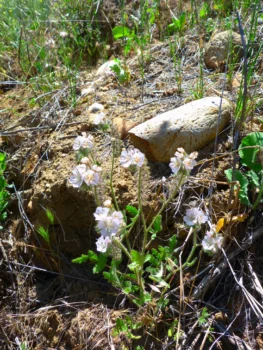
Caterpillar Phacelia: A Charming Native Annual for Western Gardens
If you’re looking for a delightful native wildflower that practically grows itself while supporting local pollinators, let me introduce you to caterpillar phacelia (Phacelia cicutaria var. hispida). This unassuming little annual might not win any beauty contests against flashy garden favorites, but it has a quiet charm that makes it absolutely perfect for naturalized gardens and water-wise landscapes.
What Makes Caterpillar Phacelia Special?
Caterpillar phacelia is a true native of the American Southwest, naturally occurring in California and Nevada. As an annual forb—basically a non-woody herbaceous plant—it completes its entire life cycle in one growing season, but don’t let that fool you into thinking it’s high-maintenance. This little plant is surprisingly self-sufficient once you understand its needs.
The plant gets its common name from its distinctive flower clusters that curl like tiny caterpillars, gradually unfurling to reveal small blue to purple blooms. The soft, hairy foliage adds texture to the garden, though some gardeners might find it a bit rough to the touch.
- Species observed
- No observations
Why Grow Caterpillar Phacelia in Your Garden?
There are several compelling reasons to consider adding this native beauty to your landscape:
- Pollinator magnet: The flowers are incredibly attractive to native bees, butterflies, and other beneficial insects
- Low water needs: Once established, it’s quite drought tolerant—perfect for water-wise gardening
- Self-seeding: It readily reseeds itself, creating natural drifts year after year
- Native plant benefits: Supports local ecosystems and requires minimal intervention
- Erosion control: Can help stabilize soil in naturalized areas
Where Does Caterpillar Phacelia Thrive?
This native annual is best suited for USDA hardiness zones 8-10, which aligns perfectly with its natural range in the southwestern United States. It’s an excellent choice for:
- Native plant gardens
- Xeriscape and drought-tolerant landscapes
- Naturalized meadow areas
- Wildflower mixes
- Slopes and areas prone to erosion
Growing Conditions and Care
One of the best things about caterpillar phacelia is how easy it is to grow. Here’s what it needs to thrive:
Light: Full sun to partial shade, though it performs best with plenty of sunlight
Soil: Well-draining soil is essential—it won’t tolerate soggy conditions. Sandy or rocky soils are actually preferred
Water: Minimal water requirements once established. Overwatering can actually harm this drought-adapted native
Planting and Care Tips
Getting caterpillar phacelia established in your garden is refreshingly straightforward:
- Timing: Direct seed in fall or early spring for best results
- Seeding: Scatter seeds directly where you want plants to grow—they don’t transplant well
- Spacing: Don’t worry too much about precise spacing; nature will sort it out
- Watering: Provide light watering until germination, then reduce frequency
- Maintenance: Virtually none required! Let it go to seed for next year’s plants
A Few Things to Consider
While caterpillar phacelia is generally wonderful, there are a few things to keep in mind:
As an annual, it will complete its life cycle and die back each year, so don’t expect permanent coverage. However, if you let it self-seed, you’ll likely have new plants appearing seasonally. The hairy foliage might be irritating to sensitive skin, so consider placement if you have small children who like to touch everything in the garden.
The Bottom Line
Caterpillar phacelia might not be the showiest plant in your garden, but it’s definitely one of the most valuable from an ecological standpoint. If you’re gardening in California or Nevada and want to support native pollinators while embracing water-wise gardening principles, this little annual deserves a spot in your landscape. Plus, there’s something deeply satisfying about growing a plant that’s perfectly adapted to your local environment—it’s like welcoming back a long-lost neighbor who knows exactly how to thrive in your backyard.