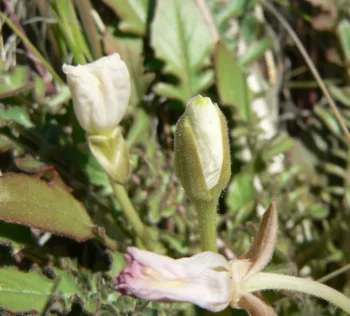
Cavedwelling Evening Primrose: A Rare Desert Gem Worth Protecting
Meet the cavedwelling evening primrose (Oenothera cavernae), a botanical treasure that’s as elusive as its name suggests. This little-known member of the evening primrose family calls some of the most rugged landscapes of the American Southwest home, but don’t expect to find it at your local nursery anytime soon.
What Makes This Evening Primrose Special?
The cavedwelling evening primrose is an annual forb – basically a soft-stemmed flowering plant that completes its entire life cycle in one growing season. Unlike its more common evening primrose cousins that you might spot along roadsides, this species has carved out a very specific niche in the desert Southwest.
As a native plant of the lower 48 states, it naturally occurs in Arizona, Nevada, and Utah, where it has adapted to some pretty challenging growing conditions that most plants would find downright inhospitable.
- Species observed
- No observations
A Plant with Conservation Concerns
Here’s where things get serious: Oenothera cavernae has a Global Conservation Status of S2S3, which essentially means scientists aren’t entirely sure about its population status, but there’s enough concern to keep a close eye on it. This rarity status is your first clue that this isn’t your typical garden center plant.
If you’re considering adding this species to your landscape, responsible sourcing is absolutely critical. This means:
- Only purchasing from reputable native plant nurseries that can verify ethical collection practices
- Never collecting seeds or plants from wild populations
- Considering whether growing this rare species is truly necessary for your garden goals
Growing Conditions and Care
Based on its natural habitat in the desert Southwest, the cavedwelling evening primrose likely thrives in:
- Well-draining, sandy or rocky soils
- Full sun exposure
- Minimal water once established
- USDA hardiness zones 7-10
As an annual, you’ll need to allow it to set seed each year for continued presence in your garden, assuming you can source it responsibly in the first place.
Garden Role and Landscape Design
This evening primrose would be most at home in specialized desert or xeric gardens, rock gardens, or native plant collections focused on southwestern flora. Like other evening primroses, it likely produces yellow flowers that open in the evening, potentially attracting night-flying pollinators such as moths.
However, given its rarity and specialized needs, it’s probably not the best choice for beginning native plant gardeners or those looking for reliable, easy-care options.
Better Alternatives for Most Gardeners
Unless you’re specifically working on conservation efforts or have a specialized collection of rare southwestern plants, you might want to consider these more readily available evening primrose alternatives:
- Pink evening primrose (Oenothera speciosa) for spreading groundcover
- Desert evening primrose (Oenothera deltoides) for true desert gardens
- Missouri evening primrose (Oenothera macrocarpa) for larger yellow blooms
The Bottom Line
The cavedwelling evening primrose represents the fascinating diversity of our native plant heritage, but it’s not a plant for every garden or every gardener. If you’re drawn to rare natives and committed to conservation-minded gardening practices, it could be a meaningful addition to a specialized collection. However, for most of us, supporting this species is probably best done through habitat conservation rather than cultivation.
Sometimes the most loving thing we can do for a rare plant is simply appreciate it in its natural setting and choose more common alternatives for our home landscapes. After all, there are plenty of beautiful, readily available native plants that can provide similar ecological benefits without the conservation concerns.