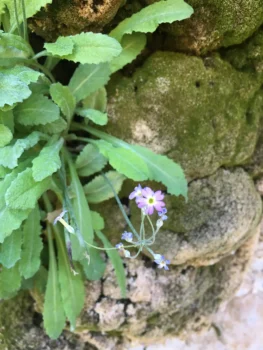
Cavedwelling Primrose: A Hidden Gem of the American Southwest
Meet one of nature’s most specialized beauties: the cavedwelling primrose (Primula specuicola). This remarkable native wildflower has earned its common name through its extraordinary lifestyle—it literally makes its home in caves and on cliff faces in the rugged landscapes of Arizona and Utah.
What Makes This Plant Special
The cavedwelling primrose is a true American native, found exclusively in the southwestern United States. As a perennial forb (that’s botanist-speak for a non-woody flowering plant), this little survivor has adapted to some of the most challenging growing conditions imaginable. You might also see it listed in older references as Primula hunnewellii, but Primula specuicola is its current accepted name.
Where You’ll Find It Growing Wild
This specialized primrose calls Arizona and Utah home, where it clings to life in cave mouths, cliff crevices, and other rocky hideaways. These aren’t your typical garden locations—we’re talking about very specific microclimates that stay consistently moist and protected from harsh desert conditions.
- Species observed
- No observations
Should You Try Growing Cavedwelling Primrose?
Here’s where we need to have an honest conversation. While the cavedwelling primrose is undeniably fascinating, it’s not exactly what you’d call beginner-friendly. This plant has evolved to thrive in very specific conditions that are incredibly difficult to replicate in typical home gardens.
The challenges include:
- Extremely specific moisture and drainage requirements
- Need for consistent cool, humid microclimates
- Specialized soil conditions found in natural rock crevices
- Limited availability in the nursery trade
If You’re Up for the Challenge
For dedicated native plant enthusiasts or those creating specialized rock gardens, the cavedwelling primrose might be worth attempting. You’ll need to recreate its natural cave-like conditions as closely as possible:
- Provide excellent drainage while maintaining consistent moisture
- Create protected microclimates with morning sun and afternoon shade
- Use rocky, well-draining soil that mimics cliff crevices
- Ensure good air circulation without harsh winds
If you do decide to try growing this species, make sure to source plants or seeds from reputable native plant nurseries that practice ethical collection methods.
Native Alternatives to Consider
If you’re drawn to the idea of native primroses but want something more garden-friendly, consider looking into other southwestern natives that offer similar charm with less fussy requirements. Many native plant nurseries can suggest regional alternatives that will give you that wildflower appeal without the specialized care needs.
The Bottom Line
The cavedwelling primrose is a testament to nature’s incredible adaptability and a true treasure of the American Southwest. While it may not be the easiest addition to your garden, it represents the remarkable diversity of our native flora. For most gardeners, admiring this species in its natural habitat or in botanical gardens might be the most practical way to appreciate its unique beauty.
If you’re passionate about native plants and enjoy a good gardening challenge, the cavedwelling primrose could be an interesting project. Just remember that success will require patience, careful attention to its specific needs, and perhaps a bit of luck in recreating the magic of its natural cave home.