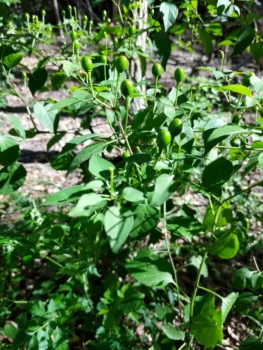
Growing Cayenne Pepper: A Spicy Addition to Your Garden
If you’re looking to add some heat to your garden and your kitchen, cayenne pepper might just be the perfect plant for you. This fiery little pepper has been spicing up gardens and meals for centuries, though it’s not originally from North America. Let’s dive into everything you need to know about growing this zesty addition to your landscape.
What is Cayenne Pepper?
Cayenne pepper, scientifically known as Capsicum annuum, is a herbaceous plant that belongs to the nightshade family. Despite its name suggesting it’s an annual, this spicy character can actually behave as both an annual and perennial depending on your climate. In its native range of Central and South America, it grows as a perennial, but in most of North America, it’s typically grown as an annual due to frost sensitivity.
As a forb herb, cayenne pepper is a vascular plant without significant woody tissue. It produces small white flowers that develop into the characteristic elongated, bright red peppers we’re familiar with. The plant itself has attractive green foliage that creates a nice backdrop for the colorful peppers.
Native Status and Distribution
Here’s something important to know: cayenne pepper isn’t native to North America. It’s originally from Central and South America, but it has been introduced and now reproduces spontaneously in many parts of the United States. You can find established populations in states including Alabama, Arizona, California, Florida, Georgia, Hawaii, Louisiana, Texas, and many others, as well as in various U.S. territories.
- Species observed
- No observations
While cayenne pepper isn’t invasive or harmful to native ecosystems, if you’re passionate about native gardening, you might want to consider native alternatives like wild bergamot or native mint species that can also add interesting flavors to your cooking.
Why Grow Cayenne Pepper?
There are several compelling reasons to include cayenne pepper in your garden:
- Culinary versatility: Fresh, dried, or powdered cayenne peppers add heat and flavor to countless dishes
- Attractive appearance: The bright red peppers and white flowers create visual interest in the garden
- Pollinator friendly: The small white flowers attract bees and other beneficial pollinators
- Container friendly: Perfect for small spaces, patios, and kitchen gardens
- Long harvest period: Produces peppers throughout the growing season
Garden Design and Landscape Role
Cayenne pepper works wonderfully in several garden settings. It’s a natural fit for kitchen gardens and herb gardens, where its culinary value shines. The plant also works well in container gardens, making it perfect for patios, decks, or small spaces. In ornamental edible landscapes, the bright red peppers add a pop of color alongside the attractive foliage.
Consider pairing cayenne pepper with other herbs like basil, oregano, and cilantro for a cohesive culinary theme. The plant typically grows 2-3 feet tall and 1-2 feet wide, making it a nice mid-height addition to garden beds.
Growing Conditions and Care
Cayenne pepper is relatively easy to grow if you provide the right conditions:
- Sunlight: Requires full sun (6-8 hours of direct sunlight daily)
- Soil: Prefers well-draining, fertile soil with a pH between 6.0-7.0
- Temperature: Thrives in warm conditions; sensitive to frost
- Water: Needs consistent moisture but not waterlogged conditions
USDA Hardiness Zones
Cayenne pepper can be grown as an annual in USDA hardiness zones 2-11. In zones 9-11, where temperatures rarely drop below freezing, it may survive as a short-lived perennial. In colder zones, treat it as an annual and replant each year.
Planting and Care Tips
Here’s how to successfully grow cayenne pepper:
- Starting from seed: Begin seeds indoors 8-10 weeks before the last expected frost
- Transplanting: Move seedlings outdoors only after soil temperatures reach 60°F and all danger of frost has passed
- Spacing: Plant 12-18 inches apart to allow for proper air circulation
- Watering: Water regularly but allow soil to dry slightly between waterings
- Fertilizing: Feed with a balanced fertilizer every 3-4 weeks during growing season
- Support: May need staking when loaded with peppers
Harvesting Your Peppers
Peppers can be harvested at various stages. For maximum heat, wait until peppers turn fully red and mature. You can also harvest them green for a milder flavor. Regular harvesting encourages continued production throughout the season.
The Bottom Line
While cayenne pepper isn’t native to North America, it’s a well-behaved garden resident that offers both beauty and utility. Its pollinator-friendly flowers, attractive appearance, and culinary value make it a worthwhile addition to many gardens. Just remember that if you’re focused on supporting native ecosystems, consider incorporating native herbs and edible plants alongside or instead of cayenne pepper. Either way, you’ll have a garden that’s both beautiful and delicious!