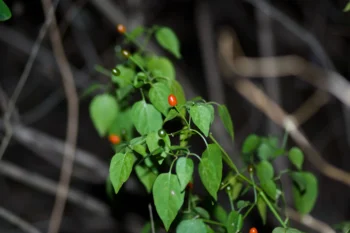
Growing Wild Chile Pequin: The Tiny Native Pepper with Big Flavor
Meet one of North America’s spiciest native treasures: the wild chile pequin, scientifically known as Capsicum annuum var. glabriusculum. This diminutive pepper packs a serious punch and brings authentic southwestern flair to your garden while supporting local wildlife.
What Makes Chile Pequin Special?
Also commonly called cayenne pepper (though it’s quite different from the long red cayennes you might know), this little powerhouse is a true native gem. Unlike many garden peppers that trace their origins to Central and South America, chile pequin is naturally at home across the American Southwest and has been spicing up the landscape for thousands of years.
This remarkable plant can behave as both an annual and perennial, depending on your climate. In its native range, it often returns year after year, creating long-lived colonies that wildlife absolutely adore.
Where Does It Call Home?
Wild chile pequin is native to the lower 48 United States and thrives naturally across a surprisingly wide range. You’ll find populations flourishing in Alabama, Arizona, Connecticut, Florida, Louisiana, New Mexico, New York, North Carolina, Pennsylvania, South Carolina, Texas, and Virginia. The plant has also established itself in Puerto Rico and the U.S. Virgin Islands, though it’s considered non-native in those territories.
- Species observed
- No observations
Garden Appeal and Landscape Role
Don’t let its small stature fool you – chile pequin brings serious visual interest to the garden. This compact, shrub-like plant grows as a forb or herb, meaning it lacks woody tissue but forms a bushy, attractive shape. Tiny white flowers appear throughout the growing season, followed by small, round peppers that mature from green to brilliant orange-red.
In landscape design, chile pequin excels in:
- Native plant gardens and xeriscapes
- Edible landscaping projects
- Wildlife gardens where birds and pollinators congregate
- Border plantings that need minimal maintenance
- Herb gardens with a southwestern theme
Wildlife and Pollinator Benefits
Here’s where chile pequin really shines in the native garden. Those delicate white flowers are magnets for bees, butterflies, and other beneficial insects. But the real wildlife party happens when the peppers ripen. Birds, particularly native species, absolutely love these fiery little fruits. Unlike mammals, birds can’t taste the heat, so they happily consume the peppers and spread the seeds throughout the landscape.
Growing Conditions and Care
One of the best things about chile pequin is how easy it is to grow, especially if you garden in USDA hardiness zones 9-11. In these warmer areas, it often behaves as a perennial, returning year after year with minimal fuss. Gardeners in cooler zones can easily grow it as an annual.
For success with chile pequin, provide:
- Full sun exposure (6+ hours daily)
- Well-draining soil – it absolutely hates wet feet
- Minimal water once established (drought tolerance is one of its superpowers)
- Protection from hard freezes in borderline zones
Planting and Propagation Tips
Starting chile pequin from seed is straightforward and rewarding. Sow seeds indoors 8-10 weeks before your last frost date, or direct seed after all danger of frost has passed. The seeds can be a bit slow to germinate, so patience is key – think 2-3 weeks under ideal conditions.
Once established, these plants are remarkably self-sufficient. They rarely need fertilization and actually prefer lean soils, which help concentrate the peppers’ fiery oils. Water deeply but infrequently to encourage deep root development.
Harvesting Your Tiny Treasures
The peppers are ready to harvest when they turn bright red and pull away from the plant easily. Fair warning: these little beauties are seriously hot – often measuring 50,000-100,000 Scoville units! Use them fresh, dry them for spice blends, or freeze them whole for year-round fire power.
Why Choose Native Chile Pequin?
Beyond the obvious appeal of growing your own incredibly hot peppers, choosing native chile pequin supports local ecosystems. It provides food and habitat for native wildlife, requires fewer resources than non-native alternatives, and connects your garden to the natural heritage of North America.
Plus, there’s something deeply satisfying about growing a pepper that’s been thriving in these landscapes since long before European settlement. It’s a little taste of wild America right in your backyard.
Whether you’re a hot pepper enthusiast, a native plant devotee, or someone who simply wants a low-maintenance plant that delivers both beauty and function, wild chile pequin deserves a spot in your garden. Just remember to handle those peppers with respect – and maybe keep some milk handy!