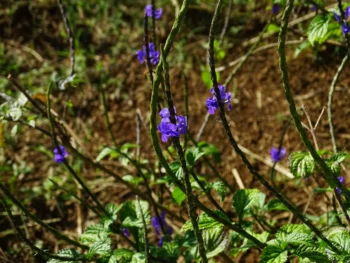
Cayenne Porterweed: A Tropical Pollinator Magnet for Warm Climate Gardens
If you’re looking to add some tropical flair to your garden while supporting local pollinators, cayenne porterweed (Stachytarpheta cayennensis) might just be the plant you’ve been searching for. Also known as oi owi porterweed, this perennial shrub brings year-round color and wildlife activity to warm climate landscapes.
What is Cayenne Porterweed?
Cayenne porterweed is a multi-stemmed woody perennial that typically grows as a shrub, usually reaching less than 13 to 16 feet in height, though it commonly stays much smaller in garden settings. This member of the vervain family produces small, tubular flowers in shades of purple to lavender that are arranged in attractive terminal spikes.
You might also encounter this plant listed under its botanical synonyms, including Stachytarpheta dichotoma or Valerianoides cayennensis, so don’t be confused if you see these names at the nursery.
Where Does It Grow Naturally?
Cayenne porterweed has an interesting native status. It’s indigenous to tropical America, including Puerto Rico and the U.S. Virgin Islands, where it’s considered a true native. However, it has also naturalized in other Pacific Basin locations including Guam, Palau, and various U.S. Minor Outlying Islands, where it reproduces spontaneously in the wild.
- Species observed
- No observations
Why Gardeners Love (and Sometimes Question) This Plant
There’s a lot to appreciate about cayenne porterweed. Its biggest selling point is definitely its appeal to pollinators – the tubular flowers are magnets for butterflies, bees, and hummingbirds. The plant blooms almost year-round in tropical climates, providing a consistent nectar source when many other plants might be taking a break.
However, gardeners in areas where it’s not native should consider whether this is the best choice for their landscape. While its invasive status isn’t definitively known, introducing non-native species always carries some risk. If you’re passionate about supporting local ecosystems, you might want to research native alternatives that provide similar benefits in your specific region.
Growing Conditions and Care
One of the best things about cayenne porterweed is how easy it is to grow. This tropical native thrives in USDA hardiness zones 9b through 11, making it perfect for Florida, Hawaii, southern Texas, and similar warm climates.
Ideal Growing Conditions
- Sunlight: Full sun to partial shade (at least 6 hours of direct sunlight preferred)
- Soil: Well-draining soils; tolerates various soil types
- Water: Drought tolerant once established, but benefits from regular watering during dry spells
- Climate: Warm, frost-free areas
Planting and Care Tips
Getting cayenne porterweed established in your garden is refreshingly straightforward. Plant it in spring after the last frost date, giving each plant enough space to reach its mature size. While it can handle some drought, regular watering during the establishment period will help it get off to a strong start.
Maintenance is minimal – occasional pruning to maintain shape and remove spent flower spikes will keep the plant looking its best. Be aware that this plant may self-seed readily, so keep an eye out for volunteer seedlings if that’s not what you want in your garden.
Landscape Uses
Cayenne porterweed works beautifully in several garden styles:
- Butterfly and pollinator gardens
- Tropical landscape designs
- Naturalistic plantings
- Coastal gardens (it has good salt tolerance)
- Mixed shrub borders
Wetland and Environmental Considerations
This plant is classified as Facultative Upland in most regions, meaning it usually prefers non-wetland areas but can occasionally pop up in wetter spots. In Hawaii, it’s listed as simply Facultative, indicating it’s equally comfortable in wet or dry conditions.
The Bottom Line
Cayenne porterweed can be a valuable addition to warm climate gardens, especially if you’re focused on supporting pollinators. Its low maintenance requirements and year-round blooming habit make it an attractive option for busy gardeners. Just remember to consider your local ecosystem and perhaps explore native alternatives that might provide similar benefits while better supporting your area’s indigenous wildlife.
If you do decide to grow cayenne porterweed, you’ll likely find it to be a reliable, colorful addition that brings life and movement to your garden through its constant parade of visiting butterflies and hummingbirds.