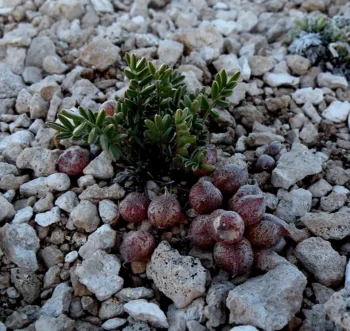
Cedar Breaks Milkvetch: A Rare Utah Wetland Treasure
Meet the Cedar Breaks milkvetch (Astragalus limnocharis), a botanical gem that’s as elusive as it is beautiful. This perennial wildflower might not be a household name, but for those interested in Utah’s native flora and wetland conservation, it’s definitely worth knowing about – even if you can’t (and shouldn’t) grow it in your backyard.
What Makes Cedar Breaks Milkvetch Special?
This charming member of the pea family produces delicate white to pale purple flowers that look like tiny pea blossoms. Its compound leaves give it that classic legume appearance, creating an understated but elegant presence in its natural habitat. But here’s the catch – this beauty is incredibly rare and incredibly picky about where it calls home.
Where Does It Grow?
Cedar Breaks milkvetch is what botanists call an endemic species, meaning it’s found in only one place on Earth – Utah. More specifically, it’s native to the Cedar Breaks area, where it has adapted to very specific wetland conditions that are tough to replicate elsewhere.
- Species observed
- No observations
The Rarity Factor: Why This Plant Needs Our Protection
Here’s where things get serious. Cedar Breaks milkvetch has a Global Conservation Status of S2, which translates to Imperiled. This means the species is at risk due to extreme rarity, with typically only 6 to 20 known occurrences and fewer than 3,000 individual plants in existence. That’s not very many!
Because of this precarious status, this isn’t a plant you should be looking to add to your garden collection. Instead, it’s a species we should appreciate from afar and support through conservation efforts.
A Wetland Specialist
One reason Cedar Breaks milkvetch is so rare is its very specific habitat requirements. It’s classified as an Obligate Wetland plant, which means it almost always occurs in wetlands and depends on consistently wet conditions to survive. This makes it particularly vulnerable to changes in water availability and wetland destruction.
The plant thrives in:
- Wet to saturated soils
- High-elevation wetland environments
- Full sun to partial shade conditions
- The specific climate conditions found in Utah’s mountains
Benefits to Wildlife and Pollinators
Like many members of the pea family, Cedar Breaks milkvetch likely provides nectar for native bees and other pollinators during its blooming season. As a legume, it also helps enrich soil by fixing nitrogen through its root system, supporting the entire wetland ecosystem where it grows.
Why You Shouldn’t Try to Grow It
While it might be tempting to try cultivating this rare beauty, there are several important reasons to resist:
- Conservation ethics: With so few plants remaining, any collection from the wild could harm wild populations
- Specialized needs: It requires very specific wetland conditions that are nearly impossible to replicate in typical garden settings
- Legal protection: Rare plants are often protected by law, making collection illegal
- Low success rate: Even if obtained legally, the plant would likely struggle or die outside its natural habitat
Better Alternatives for Your Garden
If you’re inspired by Cedar Breaks milkvetch and want to grow native legumes in your Utah garden, consider these more common and garden-friendly alternatives:
- Lupines (Lupinus species) for colorful spikes of pea-like flowers
- Wild bergamot or bee balm for wetland areas
- Native sedges and rushes for wet spots in your landscape
- Other Astragalus species that are more common and less conservation-sensitive
How You Can Help
While you can’t grow Cedar Breaks milkvetch in your garden, you can still support its conservation:
- Support wetland conservation organizations
- Visit Cedar Breaks National Monument responsibly
- Choose native plants for your own garden to support local ecosystems
- Learn about and advocate for rare plant protection
Cedar Breaks milkvetch reminds us that not every beautiful native plant belongs in our gardens – sometimes the best way to love a plant is to appreciate it in its natural home and work to protect the wild places where it thrives. In a world where so many species face uncertain futures, that might be the most important gardening lesson of all.