Cedar Elm: The Tough-as-Nails Native Shade Tree
Meet the cedar elm (Ulmus crassifolia), a hardy native tree that’s about as resilient as they come. Don’t let the name fool you – this isn’t actually a cedar at all, but rather a true elm that earned its nickname from its ability to thrive in the cedar breaks of Texas. If you’re looking for a low-maintenance shade tree that can handle whatever Mother Nature throws at it, the cedar elm might just be your new best friend.
Where Cedar Elm Calls Home
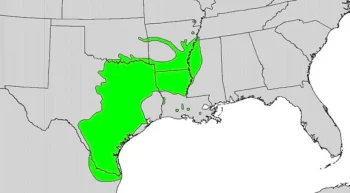
Cedar elm is a proud native of the south-central United States, naturally growing across Arkansas, Florida, Louisiana, Mississippi, Missouri, Oklahoma, Tennessee, and Texas. This tree has spent centuries perfecting the art of survival in challenging conditions, making it an excellent choice for gardeners in these regions who want to work with nature rather than against it.
- Species observed
- No observations
What Makes Cedar Elm Special
This remarkable tree stands out from the crowd in several ways. Unlike most elms that bloom in spring, cedar elm waits until late summer and early fall to show off its tiny green flowers. While these blooms aren’t much to look at, they’re incredibly valuable to pollinators when most other trees have finished flowering for the year.
The tree’s small, serrated leaves create a fine-textured canopy that turns a lovely yellow in fall before dropping. Its bark develops an attractive, deeply furrowed texture as it matures, adding winter interest to your landscape.
Size and Growth Expectations
Cedar elm is not a tree for small spaces. This fast-growing giant can reach up to 90 feet tall at maturity, though most landscape specimens top out around 50-70 feet. At 20 years old, you can expect your cedar elm to be about 35 feet tall. The tree develops a graceful, spreading canopy that can provide substantial shade for your property.
Perfect Spots for Cedar Elm
This versatile tree fits beautifully into several landscape roles:
- Large shade tree for spacious yards
- Street tree in urban settings
- Specimen tree in naturalized areas
- Part of a native plant landscape design
- Xeriscaping projects where drought tolerance is key
Growing Conditions That Make Cedar Elm Happy
One of cedar elm’s greatest strengths is its adaptability. This tree thrives in USDA hardiness zones 6 through 9 and can handle a wide range of conditions:
- Soil: Adaptable to coarse, medium, and fine-textured soils with pH ranging from 5.0 to 8.1
- Water: Medium moisture needs with good drought tolerance once established
- Sun: Full sun to partial shade (intermediate shade tolerance)
- Climate: Handles temperatures down to -10°F and needs at least 220 frost-free days
- Precipitation: Thrives with 20-70 inches of annual rainfall
The tree has a facultative wetland status, meaning it’s equally happy in wet or dry conditions – talk about flexible!
Planting and Care Tips
Getting your cedar elm off to a good start is straightforward:
- When to plant: Spring or fall for best establishment
- Spacing: Allow plenty of room – plant 300-800 trees per acre if mass planting
- Soil prep: Cedar elm isn’t picky, but ensure good drainage
- Watering: Water regularly the first year, then it can largely fend for itself
- Fertilizing: Medium fertility requirements – a balanced fertilizer in spring helps
- Pruning: Prune in late fall or winter to maintain shape and remove dead wood
Seeds need cold stratification to germinate, so if you’re growing from seed, give them a chilly winter treatment first.
The Wildlife Connection
While cedar elm might not be the showiest tree in your landscape, it’s a valuable contributor to local ecosystems. Its late-season blooms provide crucial nectar sources for pollinators preparing for winter, and the tree’s dense summer foliage offers nesting sites and shelter for various bird species.
Should You Plant Cedar Elm?
Cedar elm is an excellent choice if you have the space and live within its native range. It’s particularly suited for gardeners who want a fast-growing shade tree that can handle tough conditions with minimal fuss. The tree’s drought tolerance makes it perfect for water-wise landscaping, while its rapid growth rate means you won’t wait decades for meaningful shade.
However, consider carefully before planting if you have a small yard – this tree needs room to spread. Also, while cedar elm is relatively disease-resistant compared to other elms, it can still be susceptible to Dutch elm disease, though less so than American elm.
For native plant enthusiasts and anyone looking to support local wildlife while enjoying reliable shade, cedar elm offers the perfect combination of toughness, beauty, and ecological value. Just make sure you’ve got the space to let this magnificent tree reach its full potential!