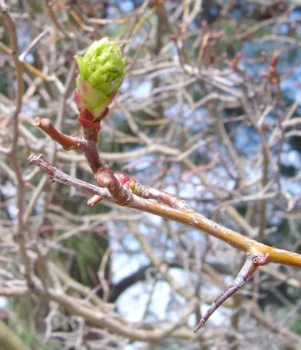
Cerro Hawthorn: A Hidden Gem for Southwestern Native Gardens
If you’re looking to add some authentic southwestern character to your landscape, let me introduce you to the cerro hawthorn (Crataegus erythropoda). This charming native shrub might not be a household name, but it’s definitely worth considering if you’re gardening in the right region and have the patience for a slow-growing beauty.
What is Cerro Hawthorn?
Cerro hawthorn is a perennial shrub that typically grows with multiple stems arising from or near the ground. As a member of the hawthorn family, it shares the classic characteristics that make these plants beloved by wildlife and gardeners alike – lovely spring flowers, attractive foliage, and colorful fall display.
This native beauty is perfectly at home in the American Southwest, naturally occurring in Arizona, Colorado, New Mexico, Utah, and Wyoming. It’s a true native of the lower 48 states, making it an excellent choice for gardeners who want to support local ecosystems.
- Species observed
- No observations
Size and Appearance
Don’t expect instant gratification with cerro hawthorn – this is definitely a slow and steady wins the race kind of plant. With a slow growth rate, it typically reaches about 16 feet in height at maturity, though it can potentially grow up to 24 feet after 20 years under ideal conditions. Most specimens will stay well under the typical shrub height of 13-16 feet.
The plant offers year-round interest with its semi-erect growth form. In spring, you’ll be treated to conspicuous white flowers that brighten up the landscape. The dark green foliage provides a lovely backdrop during the growing season, and fall brings a conspicuous color change that makes this shrub really shine. The black fruits are also quite noticeable and add winter interest.
Garden Role and Landscape Use
Cerro hawthorn works beautifully in native plant gardens, naturalistic landscapes, and xeriscaping projects. Its moderate foliage porosity in summer means it provides decent screening while still allowing some light through. In winter, the more porous foliage structure creates an interesting architectural element in the landscape.
This shrub is particularly well-suited for:
- Native plant gardens focusing on southwestern species
- Wildlife gardens (though specific wildlife benefits aren’t well-documented)
- Naturalistic or prairie-style landscapes
- Areas where you want authentic regional character
Growing Conditions
Here’s where cerro hawthorn gets a bit particular – it’s not the most adaptable shrub out there, but if you can meet its needs, it’ll reward you with years of beauty.
Soil Requirements:
- Thrives in coarse-textured soils
- Also adapts to medium-textured soils
- Avoid fine-textured or clay soils
- pH range: 3.0-8.0 (quite flexible!)
- Low fertility requirements
Water and Climate:
- Low drought tolerance (needs consistent moisture)
- Requires 16-33 inches of annual precipitation
- Minimum 89 frost-free days
- Hardy to -50°F (excellent cold tolerance!)
- Suitable for USDA zones 4-7
Light Requirements:
This shrub is shade intolerant, so give it full sun for best performance.
Planting and Care Tips
Growing cerro hawthorn requires some planning and patience. Here’s what you need to know:
Propagation:
- Grown exclusively from seed
- Seeds require cold stratification
- Expect about 25,000 seeds per pound
- Germination shows medium vigor
- Commercial availability is limited (No Known Source)
Establishment:
- Plant 600-2400 plants per acre depending on your goals
- Ensure deep, well-draining soil (roots need at least 24 inches of depth)
- Be patient – this is a slow-growing plant with moderate spread rate
- Young plants have medium tolerance for salt and moderate CaCO3 tolerance
Ongoing Care:
- Low moisture requirements once established
- Minimal fertilizer needs
- Resprouts if damaged
- Medium fire tolerance
- Not suitable for hedging due to low hedge tolerance
Seasonal Interest
One of the best things about cerro hawthorn is its multi-season appeal. The white flowers bloom in late spring, creating a lovely display when many other shrubs are just leafing out. The active growing period spans spring and summer, and fall brings that conspicuous color change that makes this plant really special. Even in winter, the architectural form and persistent black fruits provide interest in the landscape.
Wetland Adaptability
Interestingly, cerro hawthorn has different wetland classifications across its range. In the Arid West and Great Plains, it’s considered Facultative, meaning it can handle both wet and dry conditions. In the Western Mountains, Valleys, and Coast region, it’s Facultative Upland, typically preferring drier sites but occasionally tolerating wetter conditions.
Is Cerro Hawthorn Right for Your Garden?
This native shrub is perfect if you:
- Garden in the southwestern United States
- Want to support native plant communities
- Have patience for slow-growing plants
- Can provide consistent moisture (it’s not truly drought-tolerant)
- Have well-draining, coarse to medium-textured soil
- Want year-round landscape interest
However, you might want to consider other options if you need fast results, have heavy clay soil, want a hedge plant, or live outside its natural range.
While cerro hawthorn might not be the easiest shrub to grow or find at your local nursery, it offers something special for gardeners willing to work with native plants. Its authentic southwestern character, seasonal interest, and ecological value make it a worthwhile addition to the right landscape. Just remember – good things come to those who wait, and this slow-growing beauty is definitely worth the patience!