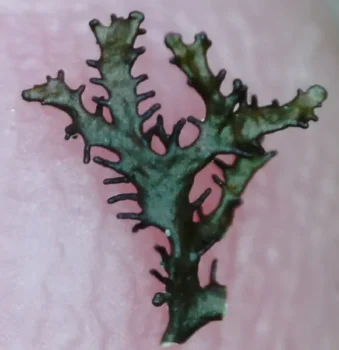
Discovering Cetraria Lichen: A Hardy Northern Beauty in Your Landscape
If you’ve ever wandered through the northern wilderness and noticed peculiar, branched growths clinging to rocks and soil, you might have encountered the fascinating cetraria lichen (Cetraria odontella). This remarkable organism isn’t actually a plant at all, but rather a unique partnership between fungi and algae that creates something truly special in cold climate landscapes.
What Exactly Is Cetraria Lichen?
Cetraria lichen belongs to a fascinating group of organisms that challenge our usual plant categories. Technically speaking, it’s a composite organism made up of fungi living in a mutually beneficial relationship with algae or cyanobacteria. The fungi provide structure and protection, while the algae produce food through photosynthesis – nature’s perfect roommate situation!
You might also see this species referred to by its scientific synonyms Coelocaulon odontellum or Cornicularia odontella in older field guides, but they’re all the same remarkable organism.
Where You’ll Find This Northern Native
Cetraria odontella is native to North America and thrives in the continent’s coldest regions. This hardy lichen makes its home across the arctic and subarctic zones, perfectly adapted to some of the most challenging growing conditions on Earth.
Identifying Cetraria Lichen in the Wild
Spotting cetraria lichen is like finding nature’s own miniature sculpture garden. Here’s what to look for:
- Small, branched structures that look almost coral-like
- Grayish-green to brownish coloration
- Distinctive tooth-like projections along the edges (that’s where the odontella part of its name comes from – odont means tooth!)
- Grows directly on soil, rocks, or decaying wood
- Typically found in clusters rather than as solitary specimens
Is Cetraria Lichen Beneficial for Your Garden?
While you can’t exactly plant cetraria lichen like you would a flower or shrub, its presence in your landscape can be incredibly valuable. This lichen serves as a natural air quality indicator – it’s quite sensitive to pollution, so finding it suggests you have clean, healthy air in your area.
In extremely cold climate gardens (USDA hardiness zones 1-4), cetraria lichen might appear naturally if conditions are right. It adds an interesting textural element and demonstrates that your landscape supports diverse forms of life beyond traditional plants.
The Role of Lichens in Cold Climate Landscapes
Rather than trying to cultivate cetraria lichen, the best approach is to create conditions where it might naturally establish itself. This means:
- Maintaining clean air quality around your property
- Preserving natural rocky outcrops or stone features
- Avoiding excessive fertilization or chemical treatments near wild areas
- Being patient – lichens grow incredibly slowly
A Living Partnership Worth Protecting
What makes cetraria lichen truly special is its incredible hardiness and longevity. Some lichen colonies can live for hundreds or even thousands of years, slowly growing and adapting to their environment. They’re like the ancient wise elders of the plant world, though technically they’re not plants at all!
If you’re lucky enough to spot cetraria lichen on your property, consider it a sign of a healthy, unpolluted environment. Rather than disturbing it, simply appreciate this remarkable example of nature’s ingenuity and resilience.
For gardeners in warmer climates who are fascinated by these unique organisms, consider exploring other native lichens that might be better suited to your region, or create rock garden features that might naturally attract local lichen species over time.