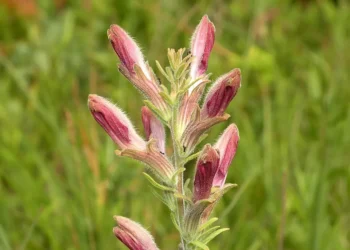
Chaffseed: A Rare Native Treasure Worth Protecting
Meet chaffseed (Schwalbea americana), one of America’s most endangered wildflowers and a true botanical treasure hiding in plain sight. This unassuming native perennial might not win any flashy flower contests, but it’s got something far more valuable: rarity that makes it a conservation priority and a meaningful addition to the right garden.
What Makes Chaffseed Special?
Chaffseed is a perennial forb—basically a non-woody flowering plant that comes back year after year. Don’t let its humble appearance fool you; this little survivor has been quietly doing its thing in American landscapes for centuries. The plant produces small, tubular yellow flowers in late summer that may seem modest, but they’re perfectly designed for their specialized pollinators.
You might also see this plant listed under its botanical synonyms Schwalbea australis or Schwalbea americana var. australis, but they’re all referring to the same special species.
Where Does Chaffseed Call Home?
This native American wildflower has quite an impressive range across the eastern United States, naturally occurring in Alabama, Connecticut, Delaware, Florida, Georgia, Kentucky, Louisiana, Maryland, Massachusetts, Mississippi, New Jersey, New York, North Carolina, South Carolina, Tennessee, Texas, and Virginia.
- Species observed
- No observations
The Reality Check: This Plant is Seriously Rare
Here’s where things get serious, folks. Chaffseed isn’t just uncommon—it’s federally endangered in the United States. Its global conservation status ranges from S2 to S3 (which means it’s imperiled to vulnerable), and in states like Alabama and New Jersey, it’s listed as S1 (critically imperiled). In New Jersey specifically, it’s endangered and specially protected in the Pinelands and Highlands regions.
What this means for gardeners: If you’re thinking about growing chaffseed, you absolutely must source it responsibly. Never collect from wild populations, and only purchase from reputable native plant nurseries that propagate their own stock. Better yet, consider supporting local conservation efforts instead of trying to grow it yourself.
Growing Conditions: Not for Beginners
Chaffseed is quite particular about where it wants to live, which probably contributes to its rarity. Based on its wetland status, this plant is fairly flexible about moisture—it can handle both wetland and upland conditions depending on the region:
- In coastal areas: Comfortable in both wet and dry spots
- In mountains and northern regions: Prefers drier, upland sites but can tolerate some wetness
The plant typically thrives in sandy, acidic soils and needs good drainage. It generally prefers full sun to partial shade and is hardy in USDA zones 6-9, covering most of its native range.
Should You Grow Chaffseed?
This is a tough question with a nuanced answer. While chaffseed would make a meaningful addition to native plant gardens and conservation landscapes, its endangered status means it’s not a plant for casual gardening. Here’s our take:
Consider chaffseed if you:
- Are an experienced native plant gardener
- Have the specific growing conditions it needs
- Can source it from responsible propagators
- Are committed to conservation gardening
- Want to support rare plant recovery efforts
Skip chaffseed if you:
- Are new to native gardening
- Want immediate, showy results
- Don’t have the right growing conditions
- Prefer low-maintenance plants
The Bigger Picture: Conservation Gardening
Growing chaffseed isn’t just about adding another plant to your garden—it’s about participating in conservation. Every responsibly grown chaffseed plant represents a small victory for biodiversity and a hedge against extinction.
If chaffseed isn’t right for your situation, consider other native plants from your region that support local ecosystems without the conservation concerns. Your local native plant society can suggest alternatives that provide similar ecological benefits while being more suitable for home gardens.
Remember, sometimes the best way to help a rare plant is to protect its remaining wild habitat rather than trying to grow it at home. Supporting conservation organizations and choosing responsible native alternatives can be just as valuable as direct cultivation.
The Bottom Line
Chaffseed is a fascinating piece of American botanical heritage that deserves our respect and protection. While it’s not the right choice for every garden, it represents something important: the irreplaceable value of native biodiversity and our role as stewards of these precious species.
Whether you choose to grow it or simply appreciate it from afar, chaffseed reminds us that some of our most valuable plants aren’t necessarily the prettiest or easiest to grow—they’re the ones that connect us most deeply to the natural world we’re working to preserve.