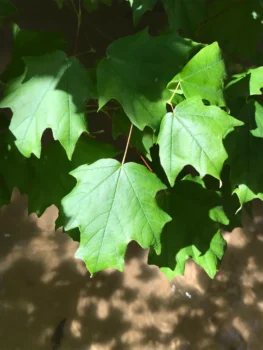
Chalk Maple: A Hidden Gem for Southern Gardens
If you’re looking for a native tree that’s both beautiful and beneficial, let me introduce you to the chalk maple (Acer leucoderme). This charming southeastern native might not be as famous as its sugar maple cousins, but it brings its own special magic to the garden with distinctive chalky bark and reliable fall color.
What Makes Chalk Maple Special
The chalk maple gets its common name from its most striking feature – the chalky white to light gray bark that develops as the tree matures. This distinctive bark creates year-round visual interest, making it a standout even in winter when the leaves are gone. In fall, the foliage transforms into lovely shades of yellow to orange-red, providing a spectacular seasonal display.
As a native perennial shrub or small tree, chalk maple typically grows as a multi-stemmed woody plant, usually staying under 13-16 feet in height. This manageable size makes it perfect for smaller landscapes where you want the impact of a maple without overwhelming the space.
Where Chalk Maple Calls Home
This southeastern beauty is native to the lower 48 states, with a natural range spanning Alabama, Arkansas, District of Columbia, Florida, Georgia, Louisiana, Mississippi, North Carolina, Oklahoma, South Carolina, Tennessee, and Texas. It’s particularly fond of areas with limestone or chalky soils, which explains both its name and its natural distribution.
- Species observed
- No observations
A Conservation-Minded Choice
Here’s something important to know: chalk maple has a rarity status of S2S3 in Arkansas, meaning it’s considered uncommon to somewhat common in that state. If you’re interested in growing this native beauty, make sure to source your plant from reputable nurseries that propagate responsibly rather than collecting from wild populations. By choosing responsibly sourced chalk maple, you’re helping protect this species while enjoying its benefits in your own garden.
Perfect Spots for Chalk Maple
Chalk maple thrives in USDA hardiness zones 6-9, making it well-suited for much of the southeastern United States. It’s an excellent choice for:
- Native plant gardens
- Woodland landscapes and naturalistic settings
- Understory plantings beneath larger trees
- Gardens with alkaline or limestone-based soils
- Areas where you want year-round visual interest
Growing Chalk Maple Successfully
The good news is that chalk maple is relatively low-maintenance once established. Here’s how to give it the best start:
Light Requirements: This adaptable tree handles both partial shade and full sun, though it naturally grows as an understory species in woodland settings.
Soil Preferences: Well-drained soils are essential, and chalk maple particularly appreciates alkaline conditions. If your soil tends to be acidic, this might not be the best choice unless you’re willing to amend it.
Water Needs: Once established, chalk maple is quite drought tolerant, making it a smart choice for low-water gardens.
Care and Maintenance: Minimal pruning is needed – just remove any dead or damaged branches. The multi-stemmed growth habit is part of its natural charm, so resist the urge to force it into a single-trunk tree form.
Benefits Beyond Beauty
Like many native maples, chalk maple produces small flowers in early spring that provide nectar for early-season pollinators when few other food sources are available. While we don’t have complete data on all its wildlife benefits, native maples generally support various insects and provide seeds that birds and small mammals enjoy.
Is Chalk Maple Right for Your Garden?
Consider chalk maple if you:
- Live in zones 6-9 and want a manageable native maple
- Have alkaline or well-drained soils
- Appreciate distinctive bark and reliable fall color
- Want to support native plant conservation
- Need an understory tree for woodland gardens
However, you might want to look elsewhere if you have consistently wet soils, very acidic conditions, or live outside its hardiness range.
Chalk maple may not be the most common native tree, but that’s exactly what makes it special. By choosing this southeastern native, you’re not just adding beauty to your landscape – you’re participating in conservation efforts and supporting local ecosystems. Just remember to source responsibly, and you’ll have a unique and sustainable addition to your garden that will provide years of seasonal interest.