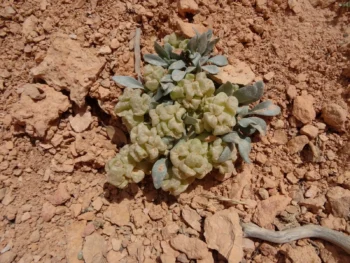
Chambers’ Twinpod: A Rare Western Native Worth Growing Responsibly
If you’re passionate about native plants and love supporting your local ecosystem, you might want to get acquainted with Chambers’ twinpod (Physaria chambersii). This charming little perennial forb is a true western native that brings both beauty and ecological value to the right garden setting.
What Makes Chambers’ Twinpod Special?
Chambers’ twinpod belongs to the mustard family and showcases the classic yellow blooms that make this plant group so recognizable. As a perennial forb, it lacks woody stems but returns year after year, forming attractive low-growing rosettes that hug the ground. The plant gets its intriguing twinpod name from its distinctive seed pods that split into two parts.
Where Does It Call Home?
This native beauty has made its home across five western states: Arizona, California, Nevada, Oregon, and Utah. It’s perfectly adapted to the challenging conditions of the American West, thriving in areas where many other plants would struggle.
- Species observed
- No observations
Important Rarity Consideration
Before you start planning where to plant Chambers’ twinpod, there’s something important to know: this species has a conservation status that suggests it may be uncommon in parts of its range. If you’re interested in growing this native gem, please only source it from reputable native plant nurseries that use responsibly collected or propagated material. Never collect plants from the wild!
Garden Design and Landscape Role
Chambers’ twinpod shines in specific garden settings where its natural characteristics can be appreciated:
- Rock gardens where its low-growing habit creates interesting texture
- Native plant gardens focused on regional species
- Xeriscapes and drought-tolerant landscapes
- Areas where you want authentic western native plant communities
Growing Conditions and Care
Like many western natives, Chambers’ twinpod has adapted to tough conditions, which actually makes it relatively easy to care for once you understand its needs:
- Sunlight: Full sun is essential for healthy growth
- Soil: Well-draining soil is absolutely critical – this plant cannot tolerate soggy conditions
- Water: Drought tolerant once established, requiring minimal supplemental irrigation
- Climate: Suited for areas with dry summers and cold winters typical of its native range
Pollinator and Wildlife Benefits
One of the best reasons to grow Chambers’ twinpod is its value to local wildlife. The cheerful yellow flowers provide nectar and pollen for native bees, small butterflies, and other beneficial insects. By choosing natives like this one, you’re creating habitat that supports the intricate web of relationships that make healthy ecosystems possible.
Planting and Care Tips
Success with Chambers’ twinpod comes down to mimicking its natural habitat:
- Plant in fall or early spring when temperatures are moderate
- Ensure excellent drainage – consider raised beds or slopes if your soil is heavy
- Water moderately during establishment, then reduce significantly
- Avoid fertilizers, which can actually harm many native plants
- Be patient – native plants often take time to establish but reward you with longevity
Is Chambers’ Twinpod Right for Your Garden?
This native beauty is perfect for gardeners who want to support local ecosystems while enjoying a unique, low-maintenance plant. However, it’s not the right choice for every situation. Skip it if you have heavy, poorly-draining soil that you can’t amend, or if you’re looking for a plant that provides year-round structure or bold visual impact.
Remember, growing rare natives like Chambers’ twinpod is a privilege that comes with responsibility. Source your plants ethically, and you’ll be contributing to conservation while creating a garden that truly reflects the natural heritage of the American West.