Chamisso’s Cottongrass: The Fluffy Native That Brings Whimsy to Wetland Gardens
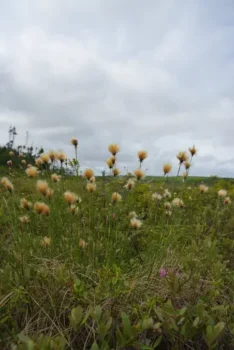
If you’ve ever wondered what it would look like if cotton balls grew wild in nature, meet Chamisso’s cottongrass (Eriophorum chamissonis). This charming native perennial brings an almost magical quality to wetland gardens with its distinctive fluffy white seed heads that dance in the breeze like tiny clouds on stems.
What Makes Chamisso’s Cottongrass Special
Don’t let the name fool you – despite being called cottongrass, this plant is actually a sedge, not a true grass. It’s a hardy perennial that belongs to the group of grass-like plants, sharing family ties with other sedges rather than traditional lawn grasses. The cotton part of its name comes from those irresistible fluffy seed heads that appear in summer, creating a texture that’s both eye-catching and touchably soft.
Also known scientifically as Eriophorum chamissonis, this plant has a few botanical synonyms you might encounter, including Eriophorum chamissonis var. aquatile and Eriophorum russeolum ssp. rufescens, but they all refer to the same delightfully fuzzy plant.
Where Chamisso’s Cottongrass Calls Home
This native beauty has quite the impressive range across North America. You’ll find it naturally growing in Alaska, throughout Canada, and in several states across the northern and western United States, including British Columbia, Colorado, Idaho, Minnesota, Montana, North Dakota, Oregon, Utah, Washington, Wisconsin, and Wyoming.
- Species observed
- No observations
As a true native plant, Chamisso’s cottongrass has been part of North American ecosystems for thousands of years, making it an excellent choice for gardeners looking to support local wildlife and maintain authentic regional landscapes.
The Perfect Spot for Cottongrass
Here’s where things get interesting – and a bit demanding. Chamisso’s cottongrass is what botanists call an obligate wetland plant, which is a fancy way of saying it almost always needs its feet wet. This plant thrives in consistently moist to saturated soils and won’t be happy in your typical garden bed.
If you’re thinking this sounds challenging, you’re not wrong! But if you have the right conditions – or can create them – this plant is absolutely worth the effort. It’s perfectly suited for:
- Bog gardens and wetland areas
- Rain gardens and bioswales
- Pond margins and water garden edges
- Wetland restoration projects
- Native plant gardens in naturally moist areas
Growing Chamisso’s Cottongrass Successfully
Ready to give this unique native a try? Here’s what you need to know:
Climate Requirements: This cool-climate lover thrives in USDA hardiness zones 2-6. If you live in a warmer area, it’s probably not the plant for you, as it prefers the cooler temperatures found in northern regions and higher elevations.
Light and Soil: Chamisso’s cottongrass does best in full sun to partial shade. The soil should be consistently moist to saturated, with acidic to neutral pH levels. Think bog-like conditions rather than typical garden soil.
Planting Tips: Spring is the ideal time to plant. If you’re creating a wetland garden or bog area specifically for this plant, consider installing a liner system to maintain consistent moisture levels. The plant will spread naturally over time through underground rhizomes, so give it room to expand.
Maintenance: The good news? Once established in the right conditions, cottongrass is relatively low-maintenance. Avoid fertilizing, as it’s adapted to nutrient-poor wetland soils. Allow the plant to go dormant naturally in winter, and resist the urge to cut back the seed heads too early – they provide winter interest and wildlife habitat.
Wildlife and Garden Benefits
While Chamisso’s cottongrass is wind-pollinated rather than insect-pollinated, it still provides valuable habitat for wetland wildlife. The dense growth creates shelter for small animals and birds, while the seeds provide food for various waterfowl and other wildlife species.
In the garden, this plant serves as a stunning textural element that changes throughout the growing season. The foliage provides a grass-like backdrop, while those famous cotton-ball seed heads steal the show from mid to late summer, persisting into fall for extended seasonal interest.
Is Chamisso’s Cottongrass Right for Your Garden?
This plant isn’t for everyone, and that’s okay! If you’re looking for a low-water, easy-care perennial for typical garden conditions, you’ll want to look elsewhere. But if you have naturally wet areas in your landscape, are creating a rain garden, or are passionate about wetland restoration and native plants, Chamisso’s cottongrass could be exactly what you’re looking for.
The key is being honest about your site conditions and commitment level. This plant rewards gardeners who can provide consistent moisture and cool growing conditions with a truly unique garden feature that connects your landscape to the broader ecosystem of North American wetlands.
So, if you’ve got the right spot and you’re ready for something a little different, why not give this fluffy native a chance to add its whimsical charm to your wetland garden? Your local wildlife – and your sense of garden adventure – will thank you for it.