Chamisso’s Lousewort: A Charming Alaska Native for Wetland Gardens
If you’re looking to add a touch of Alaska’s wild beauty to your wetland garden, Chamisso’s lousewort (Pedicularis chamissonis) might be just the plant you need. This delightful native perennial brings unique charm to specialized garden settings, though it’s definitely not your average backyard flower!
What Makes Chamisso’s Lousewort Special?
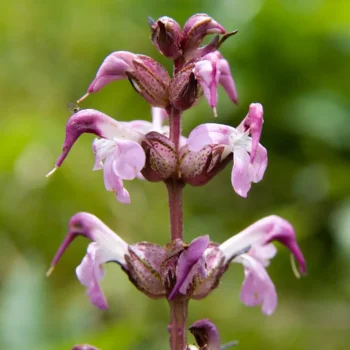
This lovely Alaska native is a true wetland specialist. As an obligate wetland plant, Chamisso’s lousewort almost always occurs in wet conditions in its natural habitat. The plant produces small, tubular flowers in shades of pink to purple that are arranged in attractive terminal spikes, creating a delicate display that’s sure to catch the eye of anyone who appreciates subtle wildflower beauty.
As a perennial forb (that’s botanist-speak for a non-woody herbaceous plant), this species comes back year after year, making it a worthwhile investment for the right garden setting.
Where Does It Grow Naturally?
Chamisso’s lousewort is exclusively native to Alaska, where it thrives in the state’s unique wetland environments. This makes it a fantastic choice for gardeners in Alaska who want to showcase their region’s natural heritage, or for specialty gardeners elsewhere who are creating authentic Alaska-themed landscapes.
- Species observed
- No observations
Is Chamisso’s Lousewort Right for Your Garden?
Let’s be honest – this isn’t a plant for every garden! Here’s what you need to know:
Perfect For:
- Wetland and bog gardens
- Rain gardens in appropriate climates
- Native plant enthusiasts focusing on Alaska flora
- Specialized collectors of unique perennials
- Gardens in extremely cold climates (likely USDA zones 1-4)
Not Ideal For:
- Traditional perennial borders
- Dry or well-drained garden beds
- Warm climate gardens
- Low-maintenance landscapes
Growing Conditions and Care
Successfully growing Chamisso’s lousewort requires mimicking its natural Alaska wetland habitat:
- Moisture: Consistently moist to wet soil conditions are absolutely essential
- Light: Partial shade to full sun, depending on moisture levels
- Temperature: Cool conditions year-round; this plant is adapted to Alaska’s climate
- Soil: Tolerates various soil types as long as they remain consistently wet
- Hardiness: Extremely cold-hardy, likely suitable for zones 1-4
Planting and Care Tips
Growing Chamisso’s lousewort successfully requires dedication to providing the right conditions:
- Ensure your garden has a reliable water source to maintain constant moisture
- Consider installing in constructed wetlands or bog gardens
- Source plants responsibly from reputable native plant suppliers
- Be patient – specialized plants like this may take time to establish
- Avoid fertilizing, as wetland plants are adapted to nutrient-poor conditions
Wildlife and Pollinator Benefits
While specific data on wildlife benefits is limited, Chamisso’s lousewort likely provides nectar for small pollinators such as native bees and other insects. As part of Alaska’s natural ecosystem, it contributes to the complex web of native plant-pollinator relationships that support local wildlife.
The Bottom Line
Chamisso’s lousewort is a specialized beauty that rewards dedicated gardeners willing to create the right conditions. If you have the space, climate, and commitment to maintain a wetland garden environment, this Alaska native can provide years of unique floral interest. However, if you’re looking for an easy-care addition to a typical garden bed, you might want to explore other native options that are better suited to conventional growing conditions.
For those up to the challenge, successfully growing this distinctive Alaska native can be incredibly rewarding – just don’t expect it to be a low-maintenance addition to your plant collection!