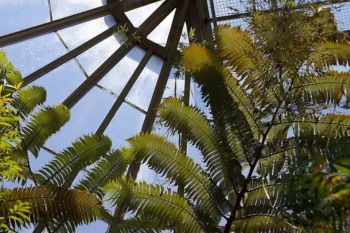
Chamisso’s Manfern: Hawaii’s Majestic Tree Fern Worth Protecting
Meet Chamisso’s manfern (Cibotium chamissoi), a stunning tree fern that’s as impressive as its Hawaiian name suggests. Known locally as hapu`u, this magnificent fern isn’t your average houseplant specimen – it’s a towering beauty that can transform any tropical landscape into something truly special.
What Makes This Fern Special?
Unlike the delicate ferns you might find tucked away in shady corners, Chamisso’s manfern is a proper tree fern that means business. This perennial powerhouse can reach heights of 10 feet or more, with some specimens stretching up to 23 feet after two decades of growth. Its coarse-textured, green fronds create a dramatic canopy that screams tropical paradise.
The fern produces brown spores rather than showy flowers, but don’t let that fool you – its architectural presence more than makes up for any lack of colorful blooms. The multiple-stemmed growth form and erect posture give it a commanding presence in any landscape.
A True Hawaiian Native
This remarkable fern is endemic to Hawaii, meaning it evolved there and exists nowhere else naturally on Earth. It’s a living piece of Hawaiian natural heritage that has been thriving in the islands’ unique ecosystem for thousands of years.
- Species observed
- No observations
Conservation Alert: Handle with Care
Here’s something important every gardener should know: Chamisso’s manfern has a vulnerable conservation status (S3), meaning it’s at risk in the wild. While this makes it even more special to grow, it also means we need to be responsible about how we source it. If you’re lucky enough to find this fern for your garden, make absolutely sure it comes from a reputable nursery that propagates rather than wild-harvests their plants.
Is This Fern Right for Your Garden?
If you’re dreaming of a tropical oasis and live in USDA zones 10-11, this could be your new favorite plant. Chamisso’s manfern thrives in:
- Tropical and subtropical landscapes
- Shaded woodland gardens
- Hawaiian-style native plant gardens
- Areas where you want dramatic vertical interest
This fern is particularly valuable for creating authentic Hawaiian landscapes and providing structure in shade gardens. Its slow growth rate means you won’t be constantly pruning, and its year-round active growth keeps it looking lush in suitable climates.
Growing Conditions: What This Fern Craves
Chamisso’s manfern has some specific preferences that you’ll want to respect:
- Soil: Fine-textured, well-draining soil with medium fertility
- pH: Slightly acidic to neutral (6.5-7.5)
- Moisture: Consistent medium moisture – not soggy, not dry
- Light: Intermediate shade (bright, filtered light)
- Temperature: Minimum 40°F, prefers frost-free conditions year-round
- Humidity: High humidity levels
The fern can handle both wetland and non-wetland conditions (it’s classified as facultative), making it somewhat flexible about moisture levels, though it doesn’t tolerate drought well.
Planting and Care Tips
Growing this majestic fern successfully requires some patience and the right approach:
- Propagation: This fern is typically propagated by cuttings rather than spores, and it’s routinely available from specialized nurseries
- Planting: Choose a protected spot with morning sun and afternoon shade
- Spacing: Allow plenty of room – you can plant 320-1,280 per acre depending on your design goals
- Watering: Keep soil consistently moist but not waterlogged
- Fertilizing: Light feeding during growing season supports healthy growth
- Winter care: Protect from any frost or cold snaps
Wildlife and Garden Benefits
While Chamisso’s manfern doesn’t produce nectar for pollinators like flowering plants do, it still contributes to garden ecosystems. Its large fronds provide shelter and habitat structure, and as a native Hawaiian species, it supports the local ecosystem in ways that non-native plants simply cannot.
The fern’s impressive size and tropical appearance make it a fantastic focal point or backdrop plant, creating the kind of lush, green environment that makes you feel like you’re in a natural Hawaiian forest.
The Bottom Line
Chamisso’s manfern is a remarkable addition to any tropical garden, but it comes with responsibility. If you choose to grow this vulnerable native, source it ethically and give it the care it deserves. In return, you’ll have a living piece of Hawaiian natural history gracing your landscape for years to come.
Remember: slow and steady wins the race with this fern. It may take its time reaching full size, but the dramatic results are absolutely worth the wait.