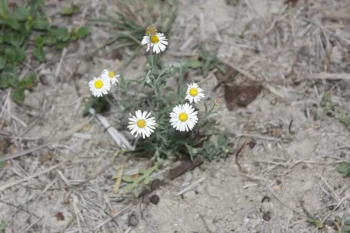
Changing Fleabane: A Rare Native Wildflower for Southwestern Gardens
If you’re looking to add authentic southwestern charm to your garden while supporting native biodiversity, changing fleabane might just be the hidden gem you’ve been searching for. This lesser-known wildflower brings a touch of wild beauty to desert and dryland landscapes, though it requires some special consideration due to its conservation status.
What is Changing Fleabane?
Changing fleabane (Erigeron versicolor) is a native wildflower that calls the American Southwest home. As its botanical name suggests, this plant is part of the Erigeron genus, which includes many beloved daisy-like wildflowers. True to its family heritage, changing fleabane produces delicate flowers that add subtle beauty to natural landscapes.
This plant is classified as a forb, meaning it’s a non-woody flowering plant that lacks the thick, woody stems of shrubs and trees. It can behave as either an annual or perennial, depending on growing conditions and local climate factors.
Where Does Changing Fleabane Grow?
Changing fleabane is native to three southwestern states: Arizona, New Mexico, and Texas. This limited range makes it a true regional specialty, perfectly adapted to the unique climate and soil conditions of the American Southwest.
- Species observed
- No observations
Important Conservation Considerations
Before we dive into growing tips, there’s something important you need to know: changing fleabane has a Global Conservation Status of S3?, which indicates some level of conservation concern. While the exact threat level isn’t clearly defined, this suggests the plant may be uncommon or face certain challenges in the wild.
If you’re interested in growing changing fleabane, please only source seeds or plants from reputable native plant nurseries that practice responsible collection methods. Never collect from wild populations, as this could harm already vulnerable communities.
Why Grow Changing Fleabane?
Despite limited specific research on this particular species, changing fleabane offers several potential benefits for southwestern gardeners:
- Native authenticity: This plant has evolved specifically for southwestern conditions, making it naturally suited to local climates
- Low maintenance potential: Native plants typically require less water and care once established
- Wildlife support: While specific data is limited, fleabane species generally provide nectar for pollinators
- Regional character: Growing native plants helps preserve the unique botanical identity of your area
Growing Conditions and Care
While specific growing information for Erigeron versicolor is limited, we can make educated assumptions based on its native range and family characteristics:
Likely Preferred Conditions:
- Sunlight: Probably prefers full sun to partial shade
- Soil: Likely thrives in well-draining, sandy or rocky soils typical of southwestern deserts
- Water: Probably drought-tolerant once established, requiring minimal supplemental irrigation
- Climate zones: Best suited for USDA zones 7-10, matching its native range
Garden Applications:
Changing fleabane would likely work well in:
- Native plant gardens
- Xeriscaping and drought-tolerant landscapes
- Naturalized wildflower meadows
- Rock gardens with southwestern themes
The Bottom Line
Changing fleabane represents an opportunity to grow something truly special – a plant that few gardeners know about but that plays an important role in southwestern ecosystems. However, its conservation status means this isn’t a plant to collect casually from the wild or grow without consideration.
If you’re passionate about native plants and committed to responsible gardening practices, changing fleabane could be a wonderful addition to your southwestern garden. Just remember to source it responsibly and appreciate it as the rare treasure it appears to be.
For gardeners outside the Southwest or those seeking more readily available alternatives, consider other Erigeron species native to your area, such as common fleabane or spreading fleabane, which offer similar aesthetic appeal with less conservation concern.