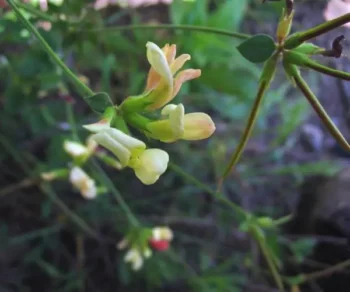
Chaparral Bird’s-Foot Trefoil: A Golden Gem for California Gardens
If you’re looking to add a splash of sunshine to your California native garden, meet the chaparral bird’s-foot trefoil (Lotus grandiflorus). This cheerful little perennial might have a mouthful of a name, but don’t let that intimidate you – it’s actually one of the more easygoing native plants you can grow!
A True California Native
Lotus grandiflorus is as Californian as they come. This native beauty is found exclusively in the Golden State, where it has adapted perfectly to our unique Mediterranean climate. As a perennial forb (that’s botanist-speak for a non-woody plant that comes back year after year), it’s built to last in your garden landscape.
You’ll find this plant naturally growing throughout California, where it has made itself at home in chaparral communities and woodland areas. It’s perfectly adapted to our dry summers and mild, wet winters.
- Species observed
- No observations
What Makes It Special
The chaparral bird’s-foot trefoil is like having a little piece of California’s wild beauty right in your backyard. Here’s what makes it stand out:
- Bright yellow, pea-like flowers that bloom in clusters
- Attractive compound leaves that add texture to garden beds
- Low-growing, spreading habit perfect for ground cover
- Drought-tolerant once established
- Attracts native bees and other beneficial pollinators
Perfect for the Right Garden
This native gem shines brightest in certain garden settings. It’s an excellent choice if you’re creating:
- Native California plant gardens
- Drought-tolerant landscapes
- Naturalized or wildflower areas
- Pollinator-friendly spaces
- Erosion control plantings on slopes
The chaparral bird’s-foot trefoil works beautifully as a ground cover or mixed into native plant borders where its golden blooms can complement other California natives.
Growing Conditions
One of the best things about this plant? It’s pretty low-maintenance once you understand what it likes. Here are its preferences:
- Sunlight: Full sun to partial shade
- Soil: Well-draining soils (it doesn’t like wet feet!)
- Water: Drought-tolerant once established, but appreciates occasional deep watering
- Climate: Thrives in USDA hardiness zones 8-10
Planting and Care Tips
Getting your chaparral bird’s-foot trefoil established is pretty straightforward:
- Plant in fall or early spring for best establishment
- Ensure good drainage – this is crucial for success
- Water regularly the first year, then reduce as the plant establishes
- Minimal fertilization needed (native plants prefer lean soils)
- Light pruning after flowering can help maintain shape
- Mulch around plants to conserve moisture and suppress weeds
Wildlife and Pollinator Benefits
By choosing this native plant, you’re not just beautifying your garden – you’re supporting local ecosystems! The bright yellow flowers are magnets for native bees and other pollinators who have co-evolved with this plant over thousands of years. It’s like setting up a five-star restaurant for your local beneficial insects.
Is This Plant Right for You?
The chaparral bird’s-foot trefoil is perfect for gardeners who want to:
- Support native wildlife and pollinators
- Create low-water, sustainable landscapes
- Add authentic California character to their garden
- Enjoy beautiful blooms without high maintenance
However, if you’re looking for a plant that thrives with regular watering or prefers rich, amended soils, this might not be your best choice. Remember, native plants are happiest when we let them be themselves!
Adding chaparral bird’s-foot trefoil to your garden means embracing a piece of California’s natural heritage while creating a beautiful, sustainable landscape that both you and local wildlife will love.