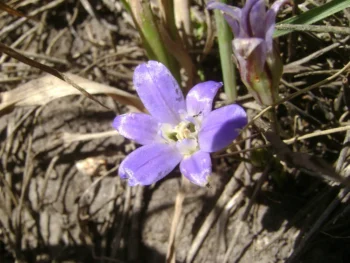
Chaparral Brodiaea: A Rare California Native Worth Protecting in Your Garden
Meet the chaparral brodiaea (Brodiaea jolonensis), a charming California native that’s as exclusive as it is beautiful. This perennial wildflower might not be the showiest plant in your garden, but what it lacks in size, it makes up for in character and conservation value.
Why This Little Beauty Matters
Chaparral brodiaea is what botanists call a California endemic – meaning it exists nowhere else on Earth except the Golden State. You’ll find this special plant naturally growing in the Central Coast ranges and southern Sierra Nevada foothills, where it has adapted to California’s unique Mediterranean climate over thousands of years.
- Species observed
- No observations
Here’s the important part: this plant has a conservation status of S3S4, which means it’s considered somewhat rare and potentially vulnerable. While it’s not critically endangered, it’s not exactly common either. This makes chaparral brodiaea a plant worth celebrating and protecting in our gardens.
What Makes Chaparral Brodiaea Special
Picture this: delicate purple-blue flowers clustered atop slender stems, rising above grass-like foliage in late spring and early summer. The flowers have a subtle charm that catches your eye without screaming for attention. Each bloom is perfectly formed with six petals that create a star-like shape, and they’re just the right size to attract California’s native pollinators.
As a perennial, chaparral brodiaea grows from underground bulbs (technically corms) that store energy through California’s dry summers. The plant typically reaches about 1-2 feet tall and spreads slowly to form small colonies over time.
Perfect for California-Style Gardens
If you’re creating a native plant garden, drought-tolerant landscape, or Mediterranean-style design, chaparral brodiaea could be your new best friend. It’s particularly wonderful in:
- Rock gardens where its delicate form contrasts beautifully with stones
- Wildflower meadows where it can naturalize gradually
- Native plant borders as an accent among shrubs
- Container gardens if you want to showcase this rare beauty
Growing Chaparral Brodiaea Successfully
The good news? Once you understand this plant’s needs, it’s surprisingly low-maintenance. Chaparral brodiaea thrives in USDA hardiness zones 8-10 and follows California’s natural rhythm of wet winters and dry summers.
Planting tips:
- Plant bulbs in fall when the first rains arrive
- Choose a spot with well-draining soil – soggy conditions are this plant’s enemy
- Full sun to partial shade works best
- Space bulbs about 4-6 inches apart and plant them 2-3 inches deep
Care requirements:
- Water regularly during the growing season (fall through spring)
- Allow soil to dry out in summer – this mimics natural conditions
- Let foliage die back naturally to feed the bulb for next year’s growth
- No fertilizer needed – these plants prefer lean soil
Supporting Pollinators and Wildlife
Chaparral brodiaea isn’t just pretty – it’s also a valuable food source for California’s native pollinators. The flowers attract native bees, butterflies, and other beneficial insects that have co-evolved with this plant over millennia. By growing chaparral brodiaea, you’re helping support the complex web of relationships that make California’s ecosystems so special.
A Word About Responsible Sourcing
Here’s where we need to talk about doing the right thing. Because chaparral brodiaea is relatively rare, it’s crucial to source your plants or bulbs responsibly. Never dig plants from the wild – this can harm wild populations. Instead:
- Buy from reputable native plant nurseries
- Look for nursery-propagated stock, not wild-collected material
- Consider participating in seed collection programs with local native plant societies
- Share divisions with other gardeners to help spread responsibly sourced plants
Is Chaparral Brodiaea Right for Your Garden?
If you garden in California’s Mediterranean climate zones and want to grow something truly special, chaparral brodiaea deserves serious consideration. It’s perfect for gardeners who appreciate subtle beauty over flashy displays and want to contribute to conservation efforts right in their backyard.
Just remember: this isn’t a plant for impatient gardeners or those expecting instant gratification. Chaparral brodiaea grows slowly and may take a few years to become established. But for those willing to wait, you’ll be rewarded with a piece of California’s natural heritage blooming in your garden each spring.
By choosing to grow chaparral brodiaea, you’re not just adding another plant to your garden – you’re becoming a steward of California’s unique botanical legacy. And honestly? There’s something pretty special about growing a flower that exists nowhere else on Earth.