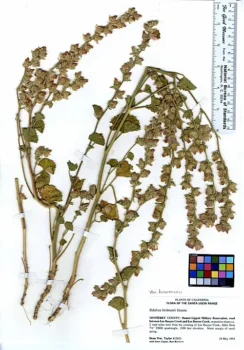
Chaparral Checkerbloom: A Rare California Native Worth Protecting in Your Garden
Meet the chaparral checkerbloom (Sidalcea hickmanii), a charming California native that’s as beautiful as it is vulnerable. This delightful perennial herb might not be the showiest plant in the garden, but it packs a punch when it comes to supporting local ecosystems—and it desperately needs our help.
What Makes Chaparral Checkerbloom Special?
This lovely native is a true California original, found exclusively in the Golden State’s chaparral and woodland communities. As a perennial forb (that’s garden-speak for a non-woody flowering plant), it returns year after year to grace your garden with spikes of pink to rose-colored blooms from spring through early summer.
The chaparral checkerbloom grows naturally in California, particularly in the San Francisco Bay Area and surrounding regions, where it has adapted to the Mediterranean climate and challenging growing conditions of chaparral ecosystems.
- Species observed
- No observations
A Plant That Needs Our Help
Important conservation note: Chaparral checkerbloom has a Global Conservation Status of S3, meaning it’s considered vulnerable throughout its range. With only 21 to 100 known occurrences and an estimated 3,000 to 10,000 individual plants remaining in the wild, this species is at risk of disappearing forever. If you choose to grow this plant, please ensure you source it responsibly from reputable native plant nurseries that propagate from legally collected seed—never collect from wild populations.
Why Your Garden Needs Chaparral Checkerbloom
Despite its rarity in the wild, chaparral checkerbloom makes an excellent addition to the right garden setting:
- Pollinator magnet: The nectar-rich flowers attract bees, butterflies, and other native pollinators
- Drought tolerance: Once established, it thrives with minimal water—perfect for California’s dry summers
- Wildlife support: Provides food and habitat for native insects and birds
- Low maintenance: This tough native requires little care once settled in
- Conservation impact: Growing it helps preserve genetic diversity and supports recovery efforts
Garden Design Ideas
Chaparral checkerbloom shines in native plant gardens, wildflower meadows, and naturalistic landscapes. Its upright flower spikes add vertical interest to plantings, while the attractive palmate leaves provide nice texture even when not in bloom. It pairs beautifully with other California natives like poppies, lupines, and native grasses.
This plant is perfect for drought-tolerant gardens, restoration projects, and anyone wanting to create habitat for local wildlife. It’s particularly well-suited for gardens in USDA zones 8-10, where California’s Mediterranean climate prevails.
Growing Chaparral Checkerbloom Successfully
The good news is that once you source your plants responsibly, chaparral checkerbloom is relatively easy to grow:
- Sunlight: Full sun to partial shade
- Soil: Well-drained soils; tolerates poor, rocky conditions
- Water: Regular water during establishment, then drought-tolerant
- Planting time: Fall is ideal for planting
- Summer dormancy: Don’t panic if it goes dormant during hot, dry summers—this is natural
Care Tips for Success
Keep things simple with this low-maintenance native. Water regularly the first year to help establish roots, then cut back significantly. The plant may naturally go dormant during California’s hot, dry summers—resist the urge to overwater during this period. A light mulch of organic matter can help retain moisture and suppress weeds.
The Bottom Line
Chaparral checkerbloom represents both an opportunity and a responsibility. By growing this vulnerable native in our gardens, we can help ensure its survival while enjoying its subtle beauty and ecological benefits. Just remember: source responsibly, plant thoughtfully, and take pride in knowing you’re helping preserve a piece of California’s natural heritage for future generations.
Your garden can become a small sanctuary for this rare beauty—and that’s something worth celebrating.