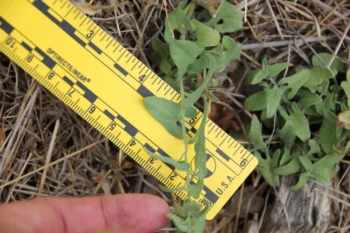
Chaparral False Bindweed: A Lesser-Known California Native
If you’re drawn to the idea of growing native California plants but want something a bit off the beaten path, chaparral false bindweed (Calystegia occidentalis fulcrata) might just pique your interest. This perennial herb belongs to the morning glory family and represents one of those fascinating native species that doesn’t get much attention in mainstream gardening circles.
What Exactly Is Chaparral False Bindweed?
Chaparral false bindweed is a perennial forb—basically a non-woody plant that comes back year after year. Like other members of its family, it’s a vascular plant that lacks the significant woody tissue you’d find in shrubs or trees, with its growing points located at or below ground level to help it survive through seasons.
You might also encounter this plant listed under its botanical synonyms, including Calystegia fulcrata, Convolvulus fulcratus, or Convolvulus luteolus var. fulcratus in older botanical references.
Where Does It Call Home?
This bindweed is a true California native, found only within the Golden State’s borders. As its common name suggests, it’s associated with chaparral ecosystems—those scrubby, drought-adapted plant communities that are so characteristic of California’s landscape.
- Species observed
- No observations
Should You Grow Chaparral False Bindweed?
Here’s where things get interesting—and a bit challenging. While chaparral false bindweed is definitely a legitimate native species that could theoretically have a place in native gardens, there’s surprisingly little information available about how to actually grow it successfully. This isn’t necessarily a bad thing; it just means you’d be venturing into relatively uncharted gardening territory.
The Conservation Angle
One important consideration is that this plant has a Global Conservation Status of S4T3, which suggests it may be of conservation concern. If you’re interested in growing it, you’d want to make absolutely sure any plant material comes from responsible, ethical sources rather than wild collection.
What We Don’t Know (Yet)
Unfortunately, specific growing information for chaparral false bindweed is quite limited. We don’t have readily available details about:
- Specific growing conditions and soil preferences
- USDA hardiness zones
- Mature size and growth rate
- Propagation methods
- Specific wildlife or pollinator benefits
- Detailed care requirements
A Better Bet for Most Gardeners
Given the limited cultivation information available, most gardeners interested in native bindweeds might want to consider the more common Calystegia species or other well-documented California natives that offer similar aesthetic appeal and ecological benefits.
If you’re specifically interested in native vines or sprawling perennials for a California native garden, you might explore options like native honeysuckles, wild grape, or other bindweed species with more established growing guidelines.
The Bottom Line
Chaparral false bindweed represents an intriguing piece of California’s native plant puzzle, but it’s definitely not a beginner-friendly choice. If you’re an experienced native plant gardener with a particular interest in rare or lesser-known species, and you can source it responsibly, it could be an interesting addition to a specialized collection. For most gardeners, though, there are plenty of other fantastic California natives that will give you more reliable results and better-documented growing success.
Sometimes the most rewarding native plants are the ones that make you work a little harder to understand them—but make sure you’re ready for that challenge before you dive in!