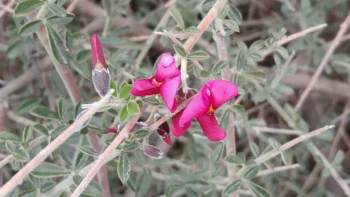
Chaparral Pea: A Hidden Gem for California Native Gardens
If you’re looking to add a splash of vibrant color to your drought-tolerant garden while supporting local wildlife, the chaparral pea might just be your new favorite native shrub. This California endemic brings both beauty and ecological benefits to landscapes across the Golden State, though it’s not as common in cultivation as it deserves to be.
What is Chaparral Pea?
Chaparral pea (Pickeringia montana var. tomentosa) is a perennial, multi-stemmed woody shrub that typically grows 4 to 5 meters (13 to 16 feet) tall, though it can vary in height depending on growing conditions. As a member of the pea family, it produces the characteristic butterfly-shaped flowers that make legumes so recognizable and beloved by pollinators.
This variety is sometimes known by its scientific synonym Pickeringia montana ssp. tomentosa, but regardless of what you call it, this shrub is 100% California native and perfectly adapted to the state’s Mediterranean climate.
Where Does It Grow Naturally?
Chaparral pea is found exclusively in California, where it thrives in the state’s characteristic chaparral and oak woodland communities. You’ll typically encounter it in areas with well-draining, rocky or sandy soils that experience hot, dry summers and mild, wet winters.
- Species observed
- No observations
A Word About Rarity
Before we dive into growing tips, it’s important to note that chaparral pea has a Global Conservation Status of S5T2T4. While this doesn’t make it critically endangered, it does mean this variety isn’t super common in the wild. If you decide to add chaparral pea to your garden, make sure you source your plants from reputable native plant nurseries that propagate their stock responsibly rather than collecting from wild populations.
Why Grow Chaparral Pea?
There are plenty of compelling reasons to consider this native shrub for your landscape:
- Stunning flowers: The plant produces showy purple to magenta pea-like blooms that create a spectacular display, typically in spring and early summer
- Pollinator magnet: Those beautiful flowers aren’t just for show—they attract native bees, butterflies, and other beneficial insects
- Drought champion: Once established, chaparral pea is incredibly drought tolerant, making it perfect for water-wise gardens
- Low maintenance: This tough native requires minimal care once it’s settled in
- Wildlife habitat: The shrub provides cover and nesting sites for birds and other small wildlife
- Erosion control: Its robust root system helps stabilize slopes and prevent soil erosion
Perfect Garden Settings
Chaparral pea shines in several types of landscapes:
- Native California gardens: It’s a natural fit alongside other chaparral plants like manzanita, ceanothus, and sage
- Mediterranean-style landscapes: The plant’s drought tolerance and attractive form make it ideal for this popular garden style
- Xeriscape designs: Perfect for water-conscious gardening approaches
- Slope plantings: Excellent for erosion control on hillsides
- Wildlife gardens: A valuable addition to any landscape designed to support local fauna
Growing Conditions and Care
The good news is that chaparral pea isn’t fussy once you understand its basic needs:
Sunlight: Full sun is best, though it can tolerate some light shade
Soil: Well-draining soil is absolutely essential. Sandy or rocky soils are ideal, and the plant actually prefers somewhat poor soils over rich, fertile ground
Water: Drought tolerant once established, but will need regular water during its first year while the root system develops
Climate: Thrives in USDA hardiness zones 8-10, making it suitable for most of California’s populated areas
Planting and Care Tips
For the best success with chaparral pea, follow these guidelines:
- Plant in fall: This gives the shrub time to establish roots before the hot summer months
- Improve drainage: If your soil tends to hold water, amend with coarse sand or plant on a slight mound
- Water wisely: Provide regular water the first year, then gradually reduce as the plant establishes
- Minimal fertilizer: Like most natives, chaparral pea doesn’t need rich soil or regular feeding
- Light pruning: Trim lightly after flowering to maintain shape, but avoid heavy pruning
- Be patient: Native shrubs often grow slowly their first few years as they develop extensive root systems
The Bottom Line
Chaparral pea deserves a place in more California gardens. It offers beautiful flowers, supports local wildlife, requires minimal water once established, and connects your landscape to the state’s natural heritage. Just remember to source your plants responsibly given its somewhat uncommon status in the wild.
Whether you’re creating a full native garden or just want to add a drought-tolerant shrub with gorgeous flowers, chaparral pea could be exactly what your landscape has been missing. Your local pollinators will certainly thank you!