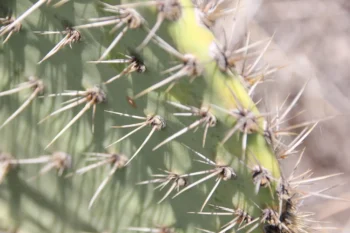
Chaparral Pricklypear: A Drought-Loving Native for California Gardens
If you’re looking for a low-maintenance, water-wise plant that’s perfectly suited to California’s dry climate, meet the chaparral pricklypear (Opuntia oricola). This charming native cactus might just be the drought-tolerant superstar your garden has been waiting for – especially if you’re tired of wrestling with thirsty plants that demand constant attention.
What Makes Chaparral Pricklypear Special
The chaparral pricklypear is a perennial cactus that’s as tough as it is beautiful. True to its name, this native beauty calls California’s chaparral and scrubland regions home, where it has mastered the art of thriving in challenging conditions. As a multi-stemmed woody plant, it typically stays under 13-16 feet in height, making it a manageable addition to most garden spaces.
Where You’ll Find This Native Gem
This pricklypear is a California exclusive – you won’t find it growing naturally anywhere else in the United States. It’s perfectly adapted to the Golden State’s Mediterranean climate and represents a true piece of California’s natural heritage.
- Species observed
- No observations
A Cactus with Conservation Concerns
Before you rush out to plant one, here’s something important to know: chaparral pricklypear has a Global Conservation Status of S3, indicating it may be vulnerable or at risk. This means if you decide to add this beauty to your garden, it’s crucial to source your plant responsibly from reputable native plant nurseries that propagate rather than wild-harvest their stock.
Garden Appeal and Design Role
Don’t let the spines fool you – this cactus is a real showstopper. The chaparral pricklypear features the classic flat, paddle-shaped segments that make opuntias so recognizable, topped with cheerful yellow flowers that bloom in spring and summer. These blooms eventually give way to colorful reddish-purple fruits that add another season of interest.
In your landscape, this pricklypear works beautifully as:
- A focal point in rock gardens or xeriscapes
- Part of a native California plant collection
- An architectural element in Mediterranean-style gardens
- A conversation starter for visitors curious about native plants
Perfect Gardens for Chaparral Pricklypear
This cactus absolutely shines in water-wise garden designs. If you’re creating a xeriscape, working with a Mediterranean theme, or developing a native California landscape, the chaparral pricklypear fits right in. It’s also perfect for gardeners who travel frequently or simply prefer plants that don’t need babying.
Growing Conditions and Care
Here’s where this plant really earns its keep – it’s wonderfully low-maintenance once established. The chaparral pricklypear thrives in USDA hardiness zones 9-10, making it suitable for most of California’s climate regions.
For optimal growth, provide:
- Full sun exposure – this cactus loves soaking up those California rays
- Excellent drainage – soggy soil is this plant’s nemesis
- Minimal water once established – perfect for drought-conscious gardeners
- Sandy or rocky soil – it actually prefers poor soil over rich, organic matter
Planting and Care Tips
Spring is the ideal time to plant your chaparral pricklypear, giving it a full growing season to establish before winter. The most critical factor for success is drainage – if water pools around the roots, you’ll likely lose your plant to rot.
Consider these care tips:
- Plant in a raised bed or on a slope if your soil doesn’t drain well naturally
- Water deeply but infrequently during the first year, then rely primarily on natural rainfall
- Avoid overhead watering, which can lead to fungal issues
- Use thick gloves when handling – those spines mean business!
Supporting Pollinators and Wildlife
Beyond its drought tolerance, the chaparral pricklypear offers real ecological value. Its bright yellow flowers attract native bees, beetles, and other pollinators, while the fruits provide food for birds and small mammals. By growing this native species, you’re supporting local wildlife and helping preserve California’s natural plant communities.
Should You Grow Chaparral Pricklypear?
If you live in California and want a genuinely low-water, native plant that supports local ecosystems, the chaparral pricklypear could be perfect for your garden. Just remember to source it responsibly due to its conservation status, and make sure you can provide the excellent drainage it requires.
This isn’t a plant for every garden or every gardener – it needs specific conditions and careful sourcing. But for the right situation, the chaparral pricklypear offers unmatched drought tolerance, unique beauty, and the satisfaction of growing a true California native. Sometimes the most rewarding plants are those that teach us to garden in harmony with our local environment rather than against it.